Asylum dispute over Iranian women’s team draws political backlash
Melbourne— A political dispute involving the United States, Australia and Iran over asylum claims by members of Iran’s women’s national football team has drawn criticism from advocates and analysts, after most of the players who initially sought protection returned home.
The controversy followed a series of events during and after a tournament in Australia, where seven members of the squad initially accepted asylum offers, but five later reversed their decisions and rejoined the team, leaving two players remaining in Australia.
Refugee advocates said the outcome raised concerns about whether the players had been given adequate time and independent legal advice before making decisions. Graham Thom described the result as “far from ideal,” expressing concern both for the two players who stayed and those who returned.
The episode drew scrutiny after Australia’s Immigration Minister Tony Burke publicly released images of five women who had accepted humanitarian visas, a move that critics said may have exposed them to additional pressure.
Analysts noted that Australia has traditionally handled asylum cases discreetly, partly to reduce risks for applicants and their families. Critics argued that the high-profile approach in this case may have complicated the situation.
The situation escalated after Donald Trump publicly called for the players to be granted asylum and raised the issue with Australian Prime Minister Anthony Albanese. The involvement of political leaders, analysts said, contributed to turning the case into a broader geopolitical dispute.
Shahram Akbarzadeh said the players’ initial actions, including declining to sing the national anthem at a match, became politicized and amplified beyond their original context.
“It quickly turned into a political dispute and political theater,” he said, adding that multiple actors sought to use the situation to advance competing narratives.
Iranian officials rejected claims that the players were pressured to return. Foreign ministry spokesman Esmaeil Baghaei said those who reversed their asylum decisions had been “coerced” into applying and denied that Tehran influenced their return.
Australian officials denied exerting pressure on the players, with Assistant Immigration Minister Matt Thistlethwaite describing the situation as “very complex” and emphasizing that the decisions were personal.
Some former athletes and advocates expressed concern that external pressure may have affected the players’ choices. Shiva Amini said she feared potential repercussions for those who returned, citing risks to family members, although she declined to provide details.
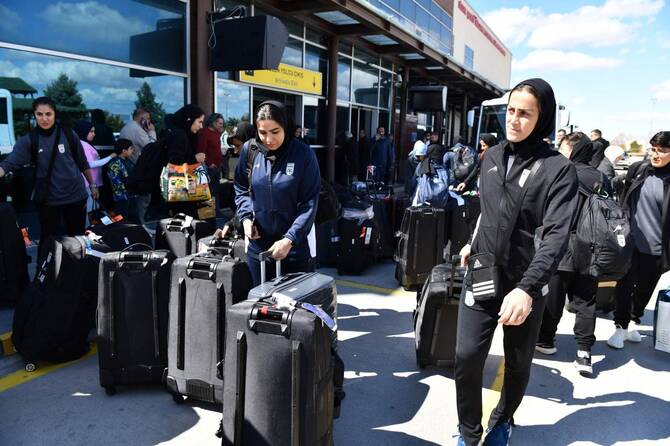
The majority of the team regrouped and traveled through Kuala Lumpur and Oman before returning to Iran via Turkiye, where state media reported they were welcomed upon arrival. Midfielder Fatemeh Shaban said the players were “happy to be in Iran,” describing it as their homeland.The reasons behind the decision by five players to abandon their asylum bids have not been publicly disclosed.
The episode has prompted wider debate over how asylum claims intersect with diplomacy, media exposure and the welfare of individuals involved in politically sensitive cases.