Pentagon Signals Massive Price Tag for Iran War as Costs Mount
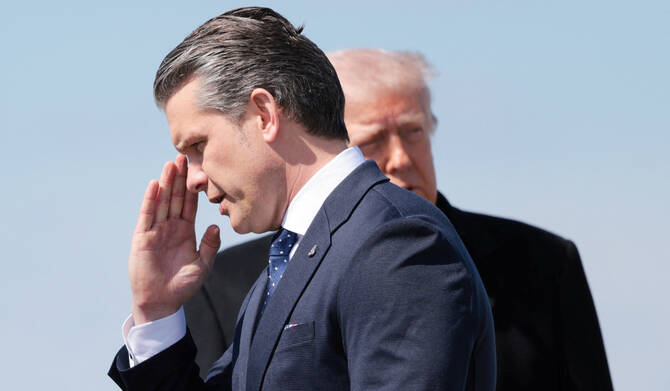
Washington — U.S. Defense Secretary Pete Hegseth said on Thursday that military operations against Iran come at a high financial cost, as early estimates indicate the conflict has already consumed billions of dollars and could require up to $200 billion in funding.
Speaking to reporters, Hegseth did not confirm a precise figure but acknowledged the scale of spending, saying “it takes money to kill bad guys” and adding that funding requests to Congress could evolve as the war continues. The campaign, launched on February 28 alongside Israel after failed nuclear negotiations, remains ongoing with no official total cost disclosed.
Pentagon officials have indicated that the first six days of the war alone cost approximately $11.3 billion, according to figures cited to lawmakers. Analysts say that estimate aligns with the intensity of operations conducted during the initial phase.
Daniel Schneiderman, director of global policy programs at Penn Washington, said the scale of deployment including extensive air sorties, precision strikes and naval operations would inevitably result in high costs.
“The amount of precision munitions and interceptors used, the number of air sorties, fuel expended, and cost of operating carrier strike groups all point to a very large bill,” he said.
Much of the expenditure stems from the use of high-end military systems, including cruise missiles, air-dropped bombs and missile defense platforms such as the THAAD. These systems, alongside the logistical infrastructure required to sustain them, represent some of the most expensive elements of modern warfare.
Operational costs also include aircraft maintenance, fuel consumption, and the deployment of carrier strike groups, as well as the personnel required to operate complex systems in sustained combat conditions.
Hegseth indicated that the administration would seek additional funding from Congress to replenish munitions and sustain military readiness, suggesting the conflict could extend beyond initial expectations.
U.S. President Donald Trump also referenced the funding request, describing it as necessary in a “very volatile world” and emphasizing the importance of maintaining large stockpiles of ammunition.
The scale of the proposed funding underscores concerns within Washington about both the duration and intensity of the conflict, as well as broader global security risks.
Beyond direct military spending, the war has triggered wider economic consequences, particularly in global energy markets. Oil prices surged after Iran disrupted shipping through the Strait of Hormuz, a critical route for global crude supplies.
The resulting volatility has added indirect costs to the global economy, compounding the financial burden of the war and raising concerns among policymakers about long-term economic stability.