Israel Escalates Iran Strikes, Regional Energy Shock Reverberates Across Gulf
Jerusalem — Israel launched a new wave of strikes on targets in Tehran on Friday, the Israeli military said, deepening a conflict with Iran that has spread across the Gulf, disrupted critical energy infrastructure, and drawn in regional states amid warnings from U.S. President Donald Trump against further escalation.
The Israeli Defense Forces said the attacks targeted “infrastructure of the Iranian regime” in the capital, without providing operational details. The strikes came a day after Trump publicly cautioned Israel against repeating attacks on Iranian natural gas facilities, highlighting emerging divergences within the U.S.-Israeli alignment.
Iran’s retaliation in recent days has expanded the conflict’s geographic scope, with Bahrain, Kuwait and the United Arab Emirates reporting missile activity early on Friday. The widening theatre of operations underscores the vulnerability of Gulf states as the confrontation increasingly targets strategic economic assets.
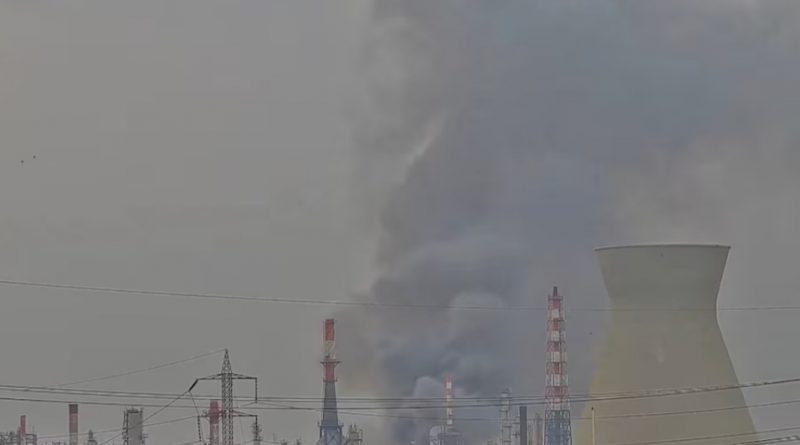
Iranian strikes earlier hit Qatar’s Ras Laffan Industrial City, a key hub processing roughly one-fifth of global liquefied natural gas supply. Damage to the facility is expected to take years to repair, according to initial assessments, amplifying concerns over long-term supply disruptions in global energy markets.
Saudi Arabia’s main Red Sea port was also attacked on Thursday, despite efforts to reroute exports away from the Strait of Hormuz, a critical maritime chokepoint that Iran has sought to pressure by threatening or disrupting transit.
Energy prices surged on Thursday following the strike on Qatar’s gas infrastructure, reflecting market anxiety over supply shocks. However, oil prices retreated on Friday after European countries and Japan signaled readiness to support maritime security operations to ensure continued passage through the Strait of Hormuz.
The United States also outlined measures to increase oil output, helping to offset immediate supply fears and stabilize market sentiment. The Strait remains a conduit for roughly one-fifth of global oil flows, making any disruption a significant risk to international energy stability.
The attacks on high-value energy infrastructure across the Gulf have highlighted both Iran’s retaliatory reach and the limitations of existing air defense systems in protecting dispersed, high-capacity facilities.
The conflict, which escalated after U.S. and Israeli strikes on February 28 following failed negotiations over Iran’s nuclear program, has since resulted in thousands of casualties and triggered cascading economic and security repercussions across the region.
Washington said it had not been informed in advance of Israel’s earlier strike on Iranian gas infrastructure, a development that adds complexity to coordination between the allies as the conflict evolves.