Eid breakfasts blend faith, food and regional identity across Muslim world
“Eid breakfast is where faith meets food and family, transforming a shared meal into a living expression of culture, continuity and belonging across the Muslim world
Ramadan with communal Eid morning meals, as families gathered after prayers to share regionally distinct dishes that reflect local culture, social traditions and evolving lifestyles, while maintaining a common emphasis on hospitality and religious observance.
The first meal after a month of fasting carries social and symbolic importance, typically bringing together extended families in homes or shared community spaces. While ingredients and preparation methods differ across countries, the structure of the morning remains broadly similar: Eid prayers are followed by greetings, family visits and a breakfast that blends tradition with contemporary influences.
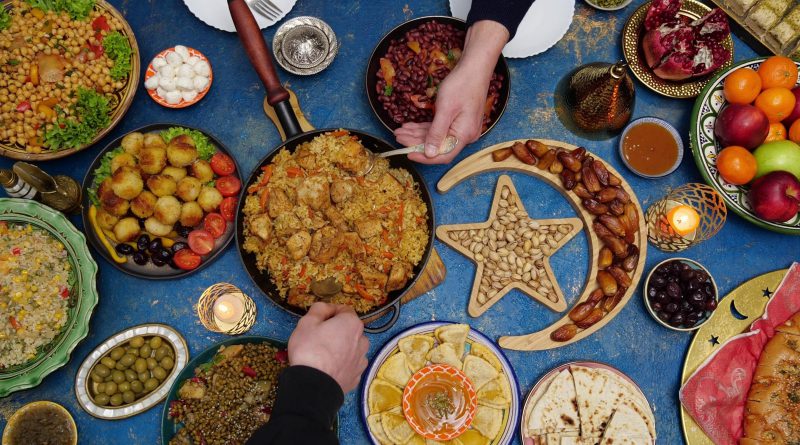
In Saudi Arabia, Eid breakfast traditions vary significantly across regions, shaped by geography, history and local customs. In the western Hijaz region, which includes Makkah, Madinah and Jeddah, the meal often takes the form of a mezze-style spread, combining light but varied dishes arranged for communal sharing.
Typical tables include labneh mixed with mint, olives, pickles, foul, breads and small plates, sometimes complemented by modern additions such as cheese platters. The meal, known in some households as “tatema,” emphasizes both simplicity and presentation.Household host Samiah Qadi said that while families aim to preserve traditional elements, newer trends have gained acceptance.
“Despite efforts to keep Eid breakfast authentic, new and interesting trends continue to grow every year,” she said, noting the increasing popularity of curated cheese and charcuterie boards.Abir Abu Sulayman, CEO of the Aloula Nonprofit Organization and a specialist in Hijazi traditions, described the meal as both festive and socially significant.
She said Eid breakfasts commonly include a variety of breads, cheeses, jams and dishes such as shakshuka, creating what she described as a substantial morning meal. She added that the gathering is central to family interaction, particularly for children who greet elders and receive small monetary gifts.
In Madinah, Eid morning often begins with prayers at the Prophet’s Mosque, followed by family gatherings influenced by the city’s long history as a destination for pilgrims. Tour guide Mohammed Qari said this has contributed to a diverse culinary tradition, with dishes including cheeses, olives, sweets and breads such as fatout Al-saman and shrik.
In central Saudi Arabia and parts of Najd, Eid breakfasts tend to feature heavier dishes associated with celebrations. Meals often include mufattah, a lamb-based preparation typically reserved for special occasions.Haneen Al-Rashid, a resident of Riyadh, said regional tables are characterized by dishes such as jareesh, qursan and haneeni, usually served with Arabic coffee and sweets.
She noted that the exchange of greetings and Eidiya, or gifts for children, forms an integral part of the gathering.In the Eastern Province, Eid begins with prayer and continues with family gatherings, often hosted by the family matriarch. Ghadeer Al-Sughair, a teacher from Dhahran, said breakfasts commonly include balaleet, aseeda, fatit and liver, accompanied by visits to relatives and neighbors throughout the day.
A traditional preparation described by residents includes a stew of mashed wheat and barley with fresh lamb, cooked in a clay pot, reflecting longstanding culinary practices in the region.
In the northern region of Al-Jouf, Eid mornings are marked by close family gatherings at the home of a senior relative. Abdulrahman Al-Sharari of the Tabarjal Family Association said hospitality typically begins with Arabic coffee and dates, followed by dishes such as hameesah, a sautéed meat preparation with onions and spices.
Another dish, bakeelah, combines date paste made from Hilwah Al-Jouf dates with roasted samah grain and ghee or olive oil. Al-Sharari said these foods reflect the agricultural identity of the region. Social visits to relatives and community elders continue throughout the day.
In southern regions such as Jazan, Eid celebrations often extend beyond individual households into shared community spaces. Residents prepare collective meals served on long tables, with each family contributing dishes featuring local ingredients such as ghee, honey, fish, barley and lamb.
Writer Mohammed Al-Malki said these gatherings are sometimes accompanied by traditional dances before breakfast. Among the prominent dishes is haisiyah, prepared in both sweet and savory forms using grains, yogurt, bread and meat.
Variations may include salted fish, reflecting coastal influences.Other dishes such as marsah, made from flour, banana, honey and ghee, along with mofalt and marshoosh, are also common. The use of clay vessels remains an important aspect of preparation, preserving traditional cooking techniques.
In India, Eid Al-Fitr breakfast traditions reflect the country’s regional diversity and cultural influences, with meals varying across states while retaining common elements tied to family gatherings and hospitality.
In northern India, particularly in cities such as Delhi and Lucknow, Eid breakfast often features sheer khurma, a sweet vermicelli dish prepared with milk, dates and nuts, which is typically served immediately after returning from Eid prayers. The dish is widely regarded as a central component of the morning meal and is often shared with neighbors and guests.
Alongside sheer khurma, families may serve breads such as naan or sheermal with savory dishes including kebabs, nihari or korma, depending on regional preferences. In many households, the breakfast extends into a larger meal that continues through the day as relatives visit and exchange greetings.
In the western state of Maharashtra, including Mumbai, Eid breakfasts often combine North Indian and coastal influences, with dishes such as malpua, biryani leftovers from Eid preparations and a range of sweets. Families typically host open-house style gatherings, allowing friends and relatives to visit throughout the day.
In southern India, including Hyderabad and parts of Kerala, Eid breakfasts are shaped by local culinary traditions. In Hyderabad, sheer khurma remains central, often accompanied by dishes such as haleem or meat-based curries prepared during Ramadan and served again on Eid morning.
In Kerala, where Muslim communities have strong maritime connections, breakfasts may include pathiri (rice-based flatbread), meat curries and coconut-based dishes, reflecting the region’s coastal cuisine. Tea and sweets are commonly served as part of the meal.
Across India, the exchange of Eidi, or gifts for children, is a common practice, reinforcing the social aspect of the festival. Families often visit relatives, neighbors and community members throughout the day, maintaining traditions that emphasize inclusivity and hospitality.
Across regions, Eid breakfasts illustrate a balance between continuity and adaptation. While traditional dishes remain central to the observance, modernization has influenced preparation methods, presentation and ingredient choices. Increased access to markets and ready-made products has simplified cooking in some households, while social media has contributed to the adoption of new presentation styles.
Despite these changes, the core structure of Eid morning remains consistent: communal prayer, shared meals and social interaction. The variations in cuisine reflect local histories, agricultural practices and cultural exchanges, while the underlying purpose of the gathering marking the end of Ramadan and reinforcing family and community ties remains unchanged.
The diversity of Eid breakfasts across Saudi Arabia, India and other parts of the Muslim world highlights how a shared religious occasion is expressed through distinct regional identities, with food serving as a central medium of cultural continuity and social connection.