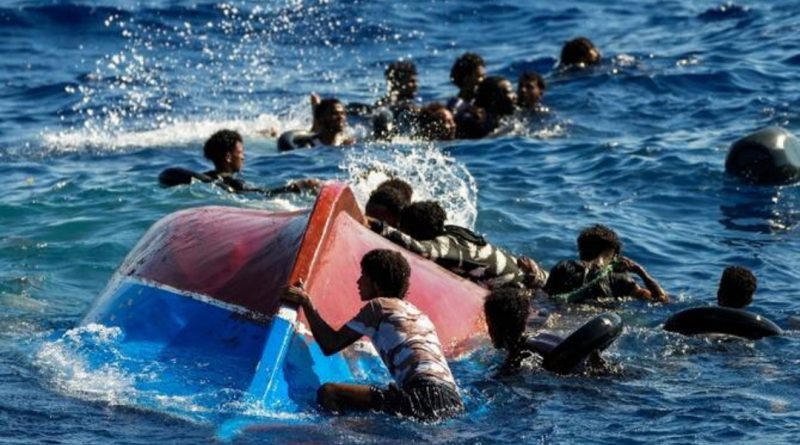
Migrants vanish in Mediterranean as data blackout clouds death toll
Rome— Hundreds of migrants attempting to cross the Mediterranean Sea are disappearing in what aid groups describe as “invisible shipwrecks,” as authorities in Italy, Tunisia and Malta restrict access to information on rescues and fatalities, complicating efforts to verify the scale of the crisis.
At least 682 people were confirmed missing as of March 16, making the start of 2026 the deadliest on record for the route, according to the International Organization for Migration, though officials say the true toll is likely significantly higher.
Humanitarian groups and researchers say a growing lack of transparency from authorities is obscuring the number of deaths at sea, with fewer incidents documented or independently verified.
“It’s a strategy of silence,” said Matteo Villa of the Italian Institute for International Political Studies, pointing to the absence of official data releases and limited responses to media inquiries.Even the IOM has struggled to track cases. Julia Black, who leads its Missing Migrants Project, said the agency has created a separate dataset for “unverifiable cases,” with more than 400 already recorded this year alone.
Concerns intensified after Cyclone Harry struck in late January, bringing heavy rain, strong winds and high waves that disrupted migration routes.Groups including Refugees in Libya reported more than 1,000 people missing following the storm, though authorities have neither confirmed nor denied those figures.
In the weeks after the cyclone, bodies were found along coastlines in Italy and Libya, while others were seen floating at sea. Only one known survivor has been identified from boats reported missing during that period.Limited official responseRepeated requests for information by media outlets to authorities in Italy, Tunisia and Malta have gone unanswered.
Agencies have either declined to comment or said they lack verified information.Frontex said it detected several migrant boats during the cyclone period, with some rescued, but confirmed that the fate of others remains unknown.
Analysts say the information gap reflects a broader policy shift. Tunisia curtailed public data on migrant interceptions in 2024, citing security concerns, while Italy gradually reduced reporting on rescue operations, discontinuing detailed updates in recent years.
The tightening flow of information has coincided with wider crackdowns on migration across the region, including restrictions on humanitarian groups and reduced funding, limiting independent monitoring.
For families of missing migrants, the absence of verified information has compounded the humanitarian toll, leaving many without answers about the fate of their relatives.