Mass displacement grips Lebanon as war triggers humanitarian alarm
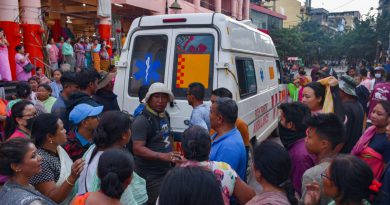
Beirut_ Nearly 800,000 people have been displaced across Lebanon in the first 10 days of the ongoing war between Israel and the Iran-backed group Hezbollah, aid agencies said, warning that the scale of the displacement is rapidly overwhelming humanitarian capacity in the country.
Humanitarian organization Norwegian Refugee Council said the number of displaced people now represents roughly one in seven residents of Lebanon. The government has so far been able to accommodate only about 120,000 people in shelters as authorities scramble to open additional facilities and bring in emergency supplies.
Lebanon’s Health Ministry said more than 700 people, including 103 children, have been killed since the fighting escalated.
Thousands of families fleeing Israeli evacuation orders have struggled to find accommodation, forcing many to sleep in tents, vehicles or on the streets of the capital Beirut.
Fatima Nazha, a wheelchair user who fled Beirut’s southern suburbs after evacuation warnings, said she spent two days sleeping outdoors with her family before moving into a tent at the country’s largest stadium after schools designated as shelters reached capacity.
Authorities have converted the stadium into a temporary shelter housing more than 800 displaced people in semi-open corridors beneath the stands. Facilities include basic toilets and sinks but limited electricity and no showers.
Humanitarian agencies say years of financial strain and underfunding have limited their ability to respond to the rapidly escalating crisis.
“The needs are escalating much faster than our capacity to respond,” said Mathieu Luciano, head of the International Organization for Migration in Lebanon, during a recent briefing.
Displaced residents have reported rising rents and stricter hotel screening in Beirut after Israeli strikes targeted locations where authorities said members of Iran’s Revolutionary Guard were present.
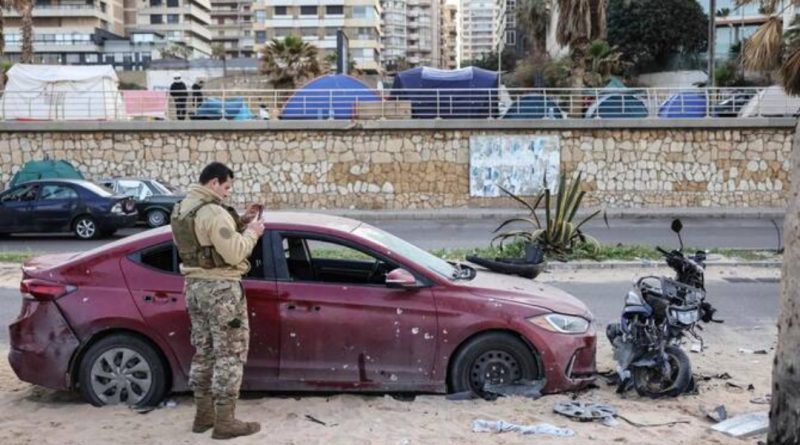
An overnight Israeli strike in the Ramlet el-Bayda district of Beirut killed at least eight people and wounded more than 30, according to local officials, in an area where displaced families had been camping along the seafront.
The latest wave of displacement began after Hezbollah launched rockets into Israel following the killing of Iran’s Supreme Leader Ali Khamenei at the start of the wider regional war.
Israel subsequently intensified air strikes across Lebanon and issued evacuation notices for dozens of villages south of the Litani River, later expanding warnings to residents of Dahiyeh, a densely populated area on Beirut’s southern edge.
Traffic congestion stretched for miles on major highways leading north from southern Lebanon as residents attempted to flee bombardment.
Along the border, some villages remained briefly populated as residents weighed whether to evacuate, but many ultimately fled after continued strikes and drone activity near the United Nations-monitored Blue Line separating the two countries.