Macron thanks Iraq PM for safeguarding French forces, offers Paris as venue for Israel-Lebanon ceasefire talks
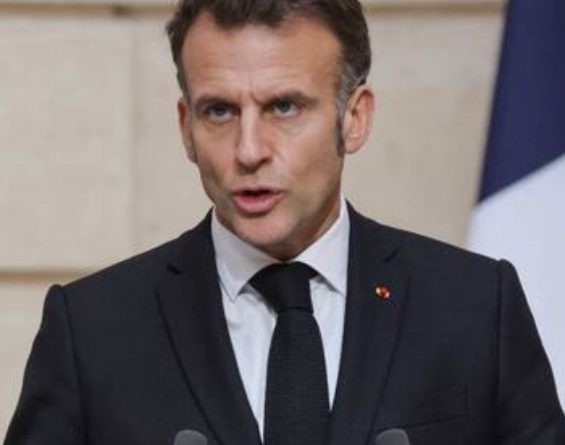
Paris— Emmanuel Macron said on Saturday he had thanked Mohammed Shia Al-Sudani for measures taken to protect French troops in Iraq after a drone strike killed a French soldier in the country’s Kurdistan region, while also offering Paris as a venue for potential ceasefire discussions between Israel and Lebanon.
Macron said on the social media platform X that he had spoken with Iraq’s prime minister a day after the attack and welcomed Baghdad’s commitment to investigate the incident and strengthen protection for foreign forces stationed in the country.
“Yesterday, I spoke with the Iraqi prime minister, Mohammed Shia Al-Sudani,” Macron wrote. “I thank him for his commitment to getting to the bottom of this attack and to strengthening measures to protect our forces, who are present in Iraq to fight, alongside the Iraqis, against the scourge of terrorism.”
French forces are deployed in Iraq as part of international efforts supporting Iraqi security forces in combating militant groups.
In a separate message on Saturday, Macron said France was ready to facilitate ceasefire discussions between Israel and Lebanon in Paris, signalling diplomatic engagement as tensions between Israel and the Iran-aligned Lebanese group Hezbollah continue to escalate.
Macron said Lebanese leaders were open to direct discussions with Israel and urged Israel to “seize this opportunity to launch ceasefire discussions, to find a lasting solution and to allow the Lebanese authorities to put in place their engagements for Lebanon’s sovereignty.”
The French president called on Israel to halt its offensive and urged Hezbollah to stop its actions, warning that continued hostilities risk pushing Lebanon into deeper instability.
“Everything must be done to stop Lebanon from descending into chaos,” Macron said.
France has historically maintained close political and economic ties with Lebanon and has frequently positioned itself as a diplomatic intermediary in crises involving the Mediterranean state.