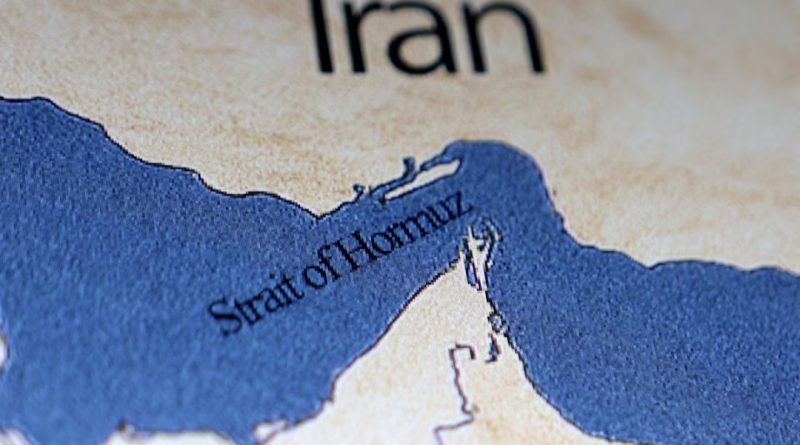
Governments deploy emergency measures as energy shock ripples globally
Governments across Asia, Europe and Australia are moving to shield households and key industries from surging energy costs following a major disruption to global oil and gas supplies linked to the effective closure of the Strait of Hormuz, according to policy announcements and official statements issued this week.
The supply disruption has pushed authorities to intervene through subsidies, reserve releases and regulatory measures aimed at stabilising fuel availability and protecting consumers from rising prices.
In India, authorities invoked emergency powers last week and directed refiners to maximise production of liquefied petroleum gas to prevent shortages of the cooking fuel widely used by households. The government also cut LPG sales to industry to ensure adequate supply for roughly 333 million homes connected to the system.
Officials have also urged consumers to avoid panic buying of cylinders and encouraged a shift to piped natural gas where available to ease pressure on LPG distribution.
Elsewhere in Asia, South Korea said it is considering additional energy vouchers for vulnerable households while preparing to increase electricity output from nuclear and coal-fired plants.
China announced it would release fertilisers from national commercial reserves ahead of the spring planting season, citing supply disruptions tied to the energy crisis.
Malaysia said it will increase spending on petrol subsidies to 2 billion ringgit ($510 million) from 700 million ringgit to maintain fixed retail fuel prices, according to government statements.
In Philippines, authorities said they plan to curb rising electricity bills linked to higher liquefied natural gas prices by increasing coal-fired power generation and regulating electricity tariffs.
Australia said it will release petrol and diesel from domestic reserves to address shortages affecting rural supply chains as well as the mining and agricultural sectors.
Meanwhile, the European Commission said it will advise member governments to exercise flexibility in enforcing European Union rules on gas imports, amid concerns that strict compliance could slow the delivery of liquefied natural gas shipments needed to stabilise supply.