Trump warns of massive retaliation as Iran threatens to halt Middle East oil exports
Dubai/Cairo/Washington, March 10 – The United States warned Iran it would face significantly heavier military strikes if it attempted to block Middle Eastern oil exports, after Iran’s Islamic Revolutionary Guard Corps said on Tuesday it would not allow any oil shipments from the region while U.S. and Israeli attacks on Iran continue.
President Donald Trump issued the warning after global financial markets swung sharply on Monday amid signs that Iran’s security establishment was consolidating behind newly appointed Supreme Leader Mojtaba Khamenei, signalling Tehran may be preparing for a prolonged confrontation.
Iran’s Islamic Revolutionary Guard Corps said it would prevent “one litre of oil” from leaving the Middle East if strikes by the United States and Israel persist, according to Iranian state media.
Trump said Washington had already inflicted heavy damage on Iran’s military infrastructure and warned that any attempt by Tehran to halt tanker traffic through the Strait of Hormuz would trigger far stronger U.S. retaliation.
“We will hit them so hard that it will not be possible for them or anybody else helping them to ever recover that section of the world,” Trump said during a news conference on Monday.
In a later post on his Truth Social platform, Trump reiterated that warning, saying the United States would strike Iran “twenty times harder” if the country attempted to block oil shipments through the narrow waterway, which handles roughly one-fifth of global crude supply.
Iran’s Revolutionary Guards responded by saying the end of the conflict would be determined by Tehran, not Washington. A spokesperson quoted by state media said Iran would ensure that no oil exports leave the region if the attacks by the United States and Israel continue.
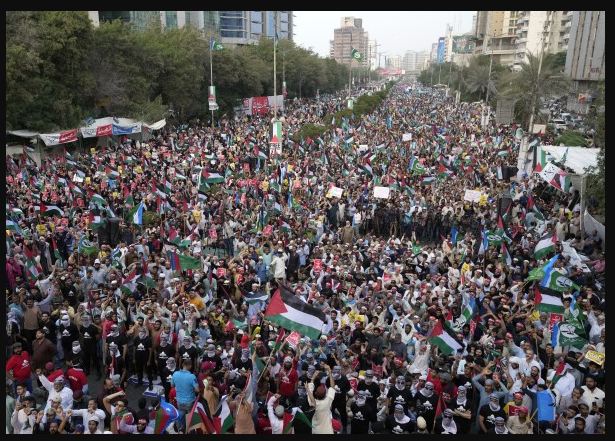
The comments came as large crowds gathered in Iran in support of Mojtaba Khamenei, according to Iranian media, suggesting the country’s leadership is seeking to demonstrate domestic backing following the escalation of hostilities.
Iran’s ambassador to the United Nations said at least 1,332 Iranian civilians have been killed and thousands wounded since the United States and Israel launched air and missile strikes across Iran at the end of February.
Washington and its allies say the strikes are aimed at crippling Iran’s missile capabilities and nuclear programme. Israel has said its objective is to topple Iran’s clerical leadership, while Trump has said the conflict could end only if Tehran accepts a government compliant with U.S. demands.
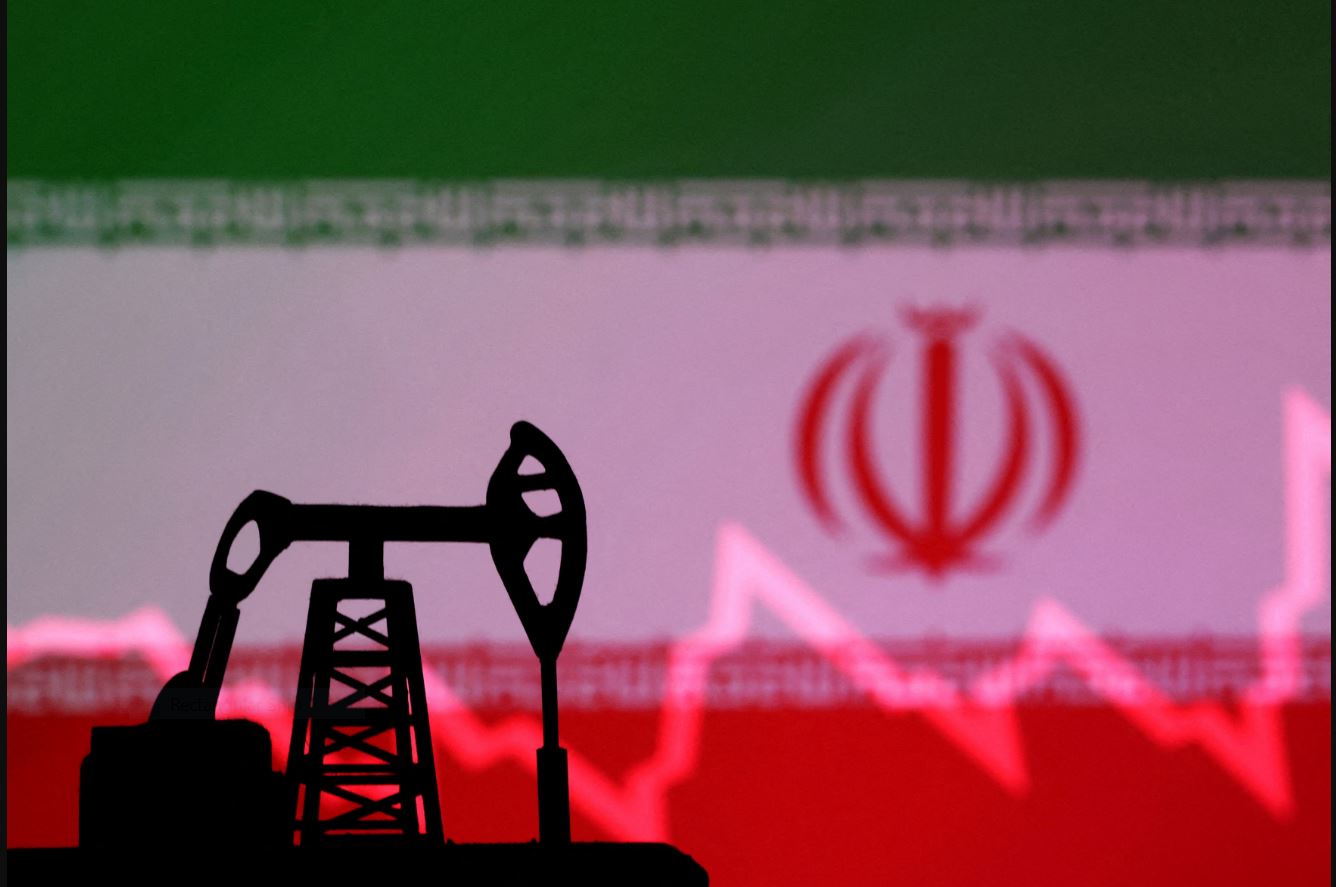
Financial markets reacted sharply to the escalating rhetoric. Crude oil prices and global stock markets swung between gains and losses as investors weighed the risk that the conflict could disrupt energy flows through the Strait of Hormuz, one of the world’s most critical oil shipping routes.