Hamas seeks role for its police in post-war Gaza governance
Cairo – Hamas is pushing to secure a formal role for its police force in Gaza’s future administration as discussions continue over a new governance framework for the war-ravaged territory. The move highlights deep political and security tensions surrounding the transition plan backed by the United States and opposed strongly by Israel.
According to people familiar with the matter, Hamas wants its roughly 10,000 police officers to be incorporated into a new Palestinian-led administrative body intended to run Gaza after the conflict. The group argues that excluding its existing civil and security structures could lead to chaos and undermine basic law and order.
Hamas currently retains control over significant parts of Gaza despite the ceasefire reached earlier, which linked further Israeli troop withdrawals to the militant group’s willingness to disarm. The agreement envisions governance being transferred to a technocratic body designed to operate independently of Hamas.
That body, known as the National Committee for the Administration of Gaza, is expected to oversee civilian affairs with international backing. However, the framework explicitly aims to keep armed groups out of positions of authority, creating a major point of contention.
In a letter circulated internally, Hamas leadership urged more than 40,000 civil servants and security personnel to cooperate with the new administration. At the same time, the message reassured staff that efforts were underway to ensure their continued employment and institutional presence.
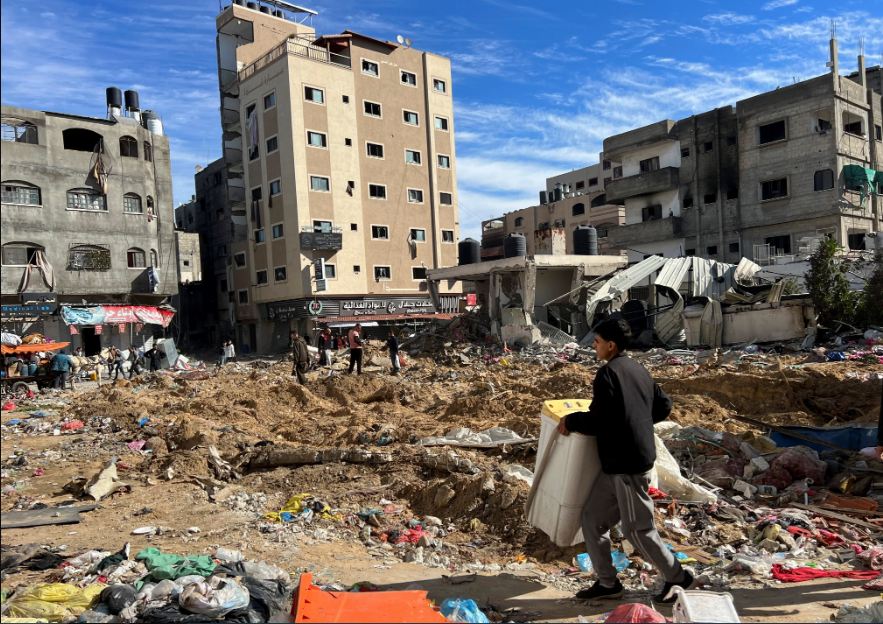
Sources say Hamas believes integrating existing workers, including police, would ensure continuity of services and prevent administrative collapse. Mass dismissals, they warn, could fuel instability at a time when Gaza is already struggling with widespread destruction and humanitarian stress.
Israel has repeatedly stated it will not accept any future role for Hamas in Gaza, whether political or security-related. Officials in Israel argue that allowing Hamas-affiliated police or administrators to remain would undermine the goal of demilitarizing the enclave.
The question of security leadership remains especially sensitive, with debate over whether figures previously associated with rival Palestinian factions can operate effectively in Gaza. Past rivalries and unresolved grievances continue to complicate efforts to build a unified command structure.
Disarmament remains the central sticking point in negotiations, with international mediators pressing Hamas to give up heavy weapons as a condition for long-term stability. While the group has signaled openness to discussing arms neutralization, it insists that any such move must be tied to broader political progress.
Hamas leaders have indicated they could consider a long-term ceasefire if meaningful negotiations on Palestinian statehood begin. They argue that weapons should ultimately fall under the authority of a recognized Palestinian state rather than being surrendered without political guarantees.
Other armed factions in Gaza are also watching the talks closely, fearing that unilateral disarmament could leave them exposed. These groups are reportedly weighing similar concerns about security, representation, and future political inclusion.
For now, uncertainty surrounds how Gaza will be governed, policed, and secured in the coming months. The outcome will depend on whether competing demands over security forces, arms, and political legitimacy can be reconciled under intense regional and international pressure.