What is Trump’s ‘Board of Peace’ and who has joined so far?
New York – U.S. President Donald Trump has launched a new international initiative called the “Board of Peace,” presenting it as an ambitious effort to resolve major global conflicts while reshaping how diplomacy is conducted beyond traditional multilateral institutions like the United Nations.
The proposal, first unveiled in September during Trump’s announcement of a plan to end the Gaza war, has since expanded in scope to include conflicts worldwide, drawing both interest and concern among global leaders.
According to a draft charter seen by officials, Trump will serve as the inaugural chairman of the Board of Peace, giving him broad executive authority over the body’s direction, decision-making and membership structure.
The charter outlines that member countries would typically serve three-year terms, though nations willing to contribute $1 billion toward the board’s funding would be eligible for permanent membership status.
The White House has named several prominent figures to the founding Executive Board, including U.S. Secretary of State Marco Rubio, Trump’s special envoy Steve Witkoff, former British prime minister Tony Blair and Trump’s son-in-law Jared Kushner.
Officials involved in the initiative say the board is intended to promote peace-building efforts in line with international law, although questions remain over its legal authority and relationship with existing global institutions.
Witkoff stated that up to 25 countries have already accepted invitations to join the Board of Peace, including several Middle Eastern allies of Washington such as Israel, the United Arab Emirates, Bahrain and Egypt.
NATO members Turkey and Hungary have also agreed to participate, reflecting their leaders’ close personal ties with Trump and their willingness to engage with alternative diplomatic frameworks.
Other participating nations include Armenia and Azerbaijan, which reached a U.S.-brokered peace agreement last year after talks hosted at the White House.
More controversially, Belarusian President Alexander Lukashenko has accepted the invitation, a move that signals a broader thaw in relations between Washington and Minsk despite longstanding Western criticism of Belarus’s human rights record.
Russia and China, both permanent veto-holding members of the U.N. Security Council, have not yet confirmed whether they will join, with diplomats suggesting caution due to concerns about undermining the United Nations.
Trump has dismissed suggestions that the Board of Peace is meant to replace the U.N., stating that the world body should continue its work while his initiative explores alternative pathways to conflict resolution.
Several close U.S. allies have either declined or expressed hesitation, with Norway and Sweden formally rejecting participation and Italy raising constitutional concerns about joining a board led by a single foreign leader.
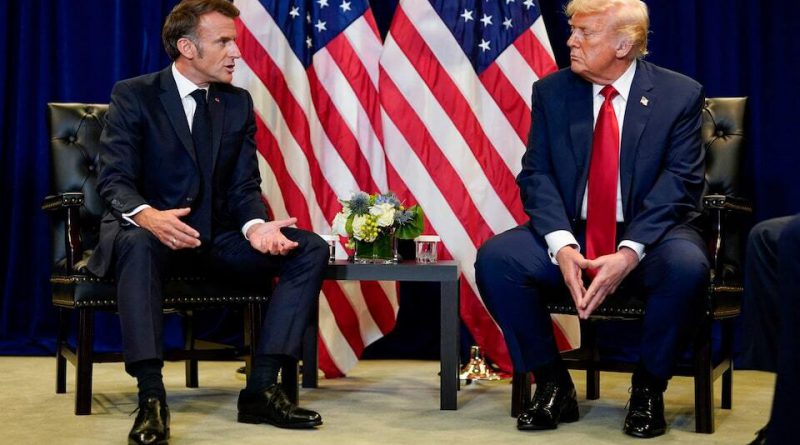
France is expected to decline as well, prompting Trump to warn of potential trade retaliation, while Canada has agreed in principle but said further discussions are needed on the details.
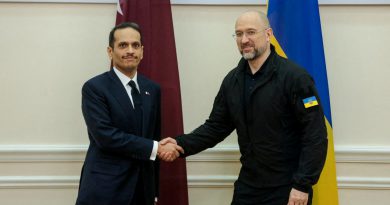
Ukraine has said it is reviewing the invitation but expressed doubts about joining any forum that might include Russia, highlighting the political sensitivities surrounding the initiative.
As debate continues, diplomats and analysts remain divided over whether the Board of Peace represents a bold diplomatic experiment or a challenge to established international norms.