India proposes linking BRICS digital currencies to ease cross-border payments
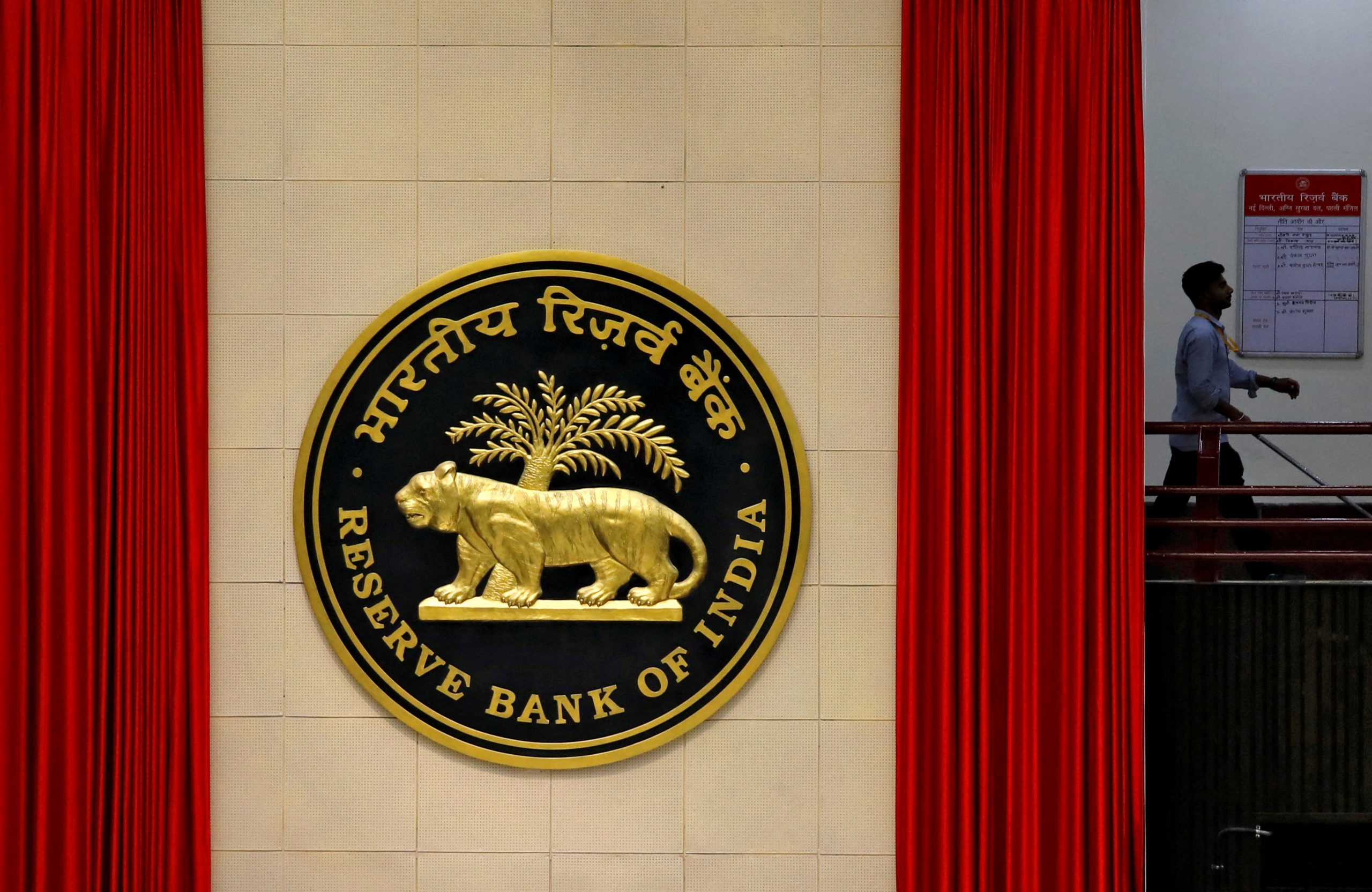
Mumbai – India’s central bank has proposed linking the official digital currencies of BRICS nations in a move aimed at simplifying cross-border trade, investment and tourism payments, according to sources familiar with the discussions.
The initiative reflects growing interest among emerging economies in modernising payment systems as geopolitical tensions reshape global finance.
The Reserve Bank of India has recommended that the proposal be placed on the agenda of the 2026 BRICS summit, which India is set to host later this year.
If accepted, it would mark the first time the bloc formally considers connecting central bank digital currencies under a shared framework.
Sources said the plan is designed to reduce transaction costs, improve settlement speed and make cross-border payments more efficient for businesses and travellers.
By linking digital currencies directly, BRICS members could bypass multiple intermediaries that currently slow down international transfers.
The proposal also carries broader strategic implications, as it could reduce dependence on the U.S. dollar in certain trade and tourism transactions.
This comes at a time when global payment systems are increasingly influenced by political considerations and sanctions risks.
BRICS includes Brazil, Russia, India, China and South Africa as core members, with several other countries participating in expanded formats.
While none of the five main members have fully rolled out their digital currencies, all are running pilot programmes and investing heavily in digital payment infrastructure.
India’s digital rupee, known as the e-rupee, has gained traction since its launch in late 2022. The RBI has steadily expanded its use cases, including offline payments, programmability for welfare transfers and partnerships with fintech firms to distribute digital wallets.
China, meanwhile, has pushed to internationalise its digital yuan, while Brazil and South Africa are testing digital currencies to improve domestic and cross-border payment efficiency.
Russia has also accelerated digital currency efforts amid financial restrictions imposed by Western nations.
The RBI has previously stated that promoting the global use of the rupee is not aimed at undermining the dollar. However, U.S. officials have warned against initiatives that could weaken the dollar’s role in global trade, and President Donald Trump has previously criticised BRICS as pursuing anti-American measures.
According to sources, the RBI’s proposal builds on a 2025 BRICS declaration that called for greater interoperability between members’ payment systems.
Linking CBDCs would represent a deeper level of coordination, requiring shared technical standards and common governance rules.
Key challenges remain. Experts note that agreeing on interoperable technology platforms will be complex, as countries may be reluctant to adopt systems developed by other members.
Regulatory alignment, data security and privacy standards would also need careful negotiation.
Another sensitive issue is how to manage trade imbalances between member countries. One idea under discussion involves using bilateral foreign exchange swap arrangements between central banks to settle imbalances arising from digital currency transactions.
Sources cautioned that progress could be slow, as consensus among diverse economies with differing financial systems and political priorities will be essential. Any framework would need to balance national sovereignty with the benefits of deeper integration.
Despite these hurdles, analysts say the proposal highlights India’s ambition to play a leading role in shaping the future of digital finance among emerging economies.
Hosting the 2026 BRICS summit gives New Delhi an opportunity to push initiatives that reflect its growing influence in global economic governance.
For BRICS as a bloc, a linked digital currency system could strengthen internal trade ties and enhance resilience against external shocks.
Even if initial implementation is limited to specific use cases such as tourism or trade finance, it could lay the groundwork for broader cooperation.
As discussions continue, the proposal underscores a wider shift toward experimenting with digital currencies at the sovereign level.
Whether BRICS can translate ambition into action will depend on political will, technical cooperation and the ability to navigate the global financial order without escalating tensions.