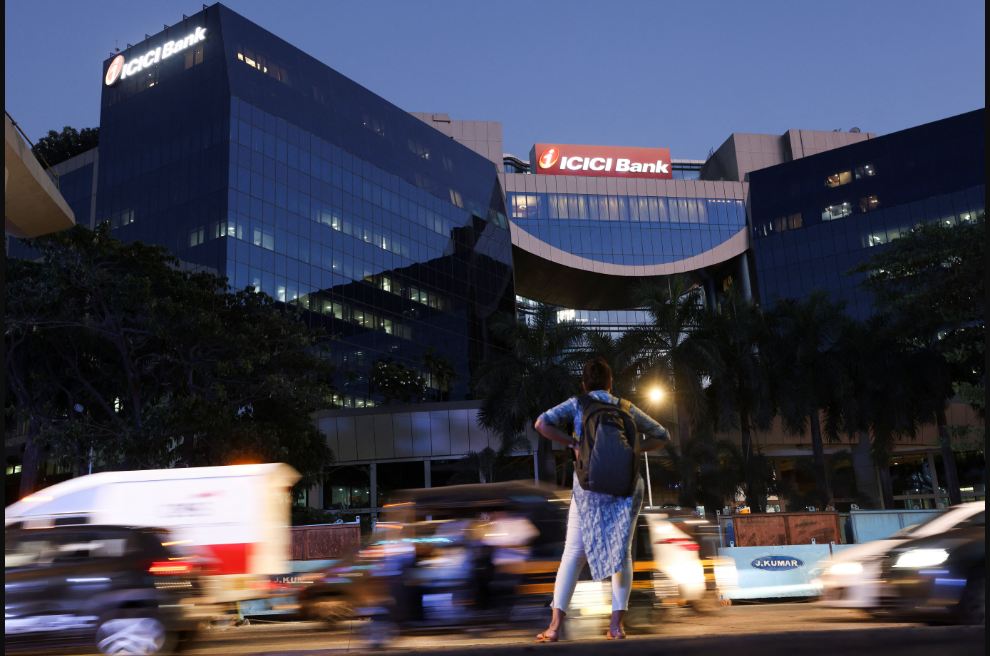
ICICI Bank Misses Q3 Profit Estimates
Mumbai – ICICI Bank reported lower than expected profit for the third quarter as higher provisions weighed on its financial performance. The results came despite steady loan growth and stable margins, highlighting the impact of regulatory reviews on earnings.
The country’s second largest private sector bank by market value said its profit declined compared to the same period last year. Market expectations were higher, but increased provisioning reduced net earnings for the quarter.
A key factor behind the profit miss was a sharp rise in provisions following an annual supervisory review by the banking regulator. The review led to additional buffers being set aside for certain loan categories.
Bank officials clarified that some loans earlier classified under agriculture and priority sectors did not fully meet regulatory norms. Although these loans were not stressed or overdue, the classification issue required higher provisions.
The bank stated that it has fully complied with regulatory directions and made all required provisions during the quarter. Management emphasized that the move was precautionary and aimed at strengthening balance sheet resilience.
Alongside the earnings announcement, the board approved the reappointment of current chief executive Sandeep Bakhshi for another two year term. His new term will begin in October 2026, extending leadership continuity at the bank.
Bakhshi has been leading ICICI Bank since 2018 and is credited with improving asset quality and simplifying operations. His reappointment was viewed as a signal of stability amid regulatory scrutiny.
Despite the profit decline, ICICI Bank reported solid growth in net interest income during the quarter. Higher domestic loan growth supported revenue expansion even as costs increased.
Loan growth remained strong across key segments, reflecting continued demand during the festive season. Deposits also recorded steady growth, supporting the bank’s funding base.
Net interest margin, a crucial profitability indicator, remained stable during the quarter. This suggests that the bank has managed interest rate movements effectively despite changes in the broader rate environment.
Asset quality showed marginal improvement, with a slight decline in gross non performing assets. This indicates that underlying credit conditions remain stable despite the provisioning impact.
India’s major lenders have generally seen strong credit demand driven by consumption, infrastructure spending, and tax relief measures. Lower benchmark interest rates have further encouraged borrowing across sectors.
While the quarterly results fell short of expectations, analysts noted that the bank’s fundamentals remain intact. Strong loan growth, stable margins, and improving asset quality continue to support long term prospects.
Earnings face pressure. Leadership continuity assured.