Gaza Rebuilding Vision Focuses on Recovery, Infrastructure, and Long-Term Development
Gaza city – A new phase of planning for Gaza’s future has brought attention to large-scale reconstruction ideas aimed at restoring daily life and economic activity.
The focus of the proposed approach is on clearing debris, rebuilding essential infrastructure, and creating a foundation for long-term growth.
The plan is led by a Palestinian civil engineer with prior experience in public planning and development projects.
His background in infrastructure development shapes a vision centered on technical solutions and phased reconstruction.
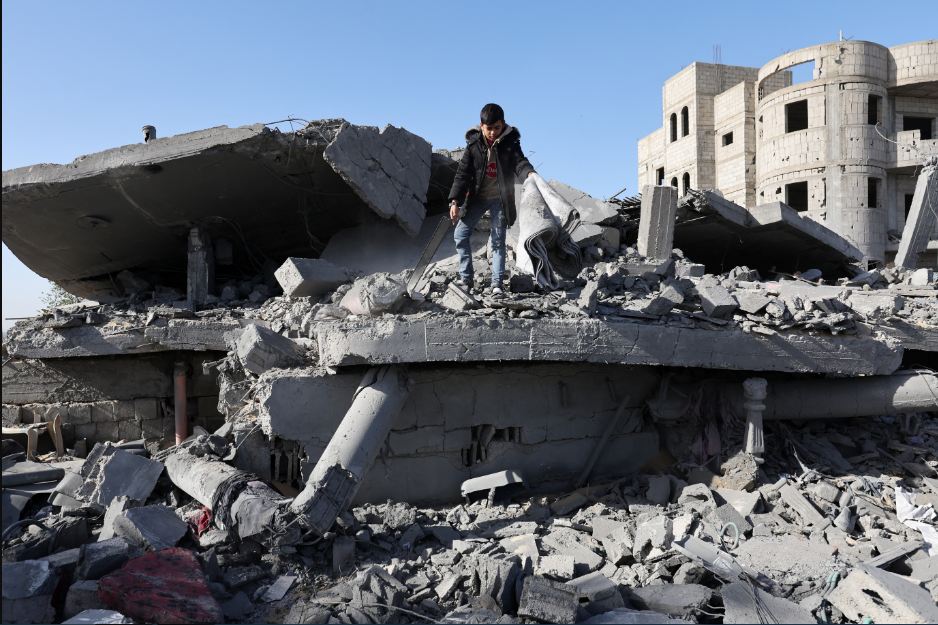
Large areas of Gaza have suffered extensive physical damage, leaving behind significant volumes of rubble.
Addressing this debris is seen as a critical first step toward rebuilding homes, roads, utilities, and public facilities.
One proposed method involves relocating rubble to designated areas to create usable space and accelerate cleanup.
Similar approaches have been used in the past to support land development and infrastructure foundations.
The immediate priority outlined in the plan is humanitarian relief and temporary shelter solutions.
Providing safe housing, access to basic services, and restoring essential utilities are viewed as urgent needs.
Following emergency relief, attention would shift toward rehabilitating vital infrastructure systems.
This includes electricity networks, water supply, sanitation facilities, and transportation corridors.
Industrial and commercial zones are also part of the longer-term development vision.
Reviving economic activity is considered essential for employment generation and community stability.
The plan emphasizes a phased timeline that balances urgency with practical implementation.
Initial cleanup and stabilization would be followed by structured rebuilding over several years.
Education, healthcare, and public services are highlighted as core components of recovery.
Reconstructing schools, hospitals, and community facilities is seen as vital for social resilience.
Urban planning principles play a central role in the proposed rebuilding strategy.
Thoughtful land use, improved infrastructure layout, and sustainable construction methods are emphasized.
The vision also includes creating opportunities for future growth beyond basic reconstruction.
This involves modernizing infrastructure to support technology, trade, and regional connectivity.
Coordination among technical experts, administrators, and humanitarian organizations is considered crucial.
Effective collaboration can help ensure resources are allocated efficiently and projects move forward smoothly.
Rebuilding efforts are expected to face logistical and operational challenges.
Careful planning, clear prioritization, and transparent management are seen as key to overcoming obstacles.
The approach underscores optimism about Gaza’s potential to recover over time.
With sustained effort, planning, and investment, improved living conditions are viewed as achievable.
Long-term development goals focus on resilience and adaptability.
Infrastructure is envisioned not only to replace what was lost but to support future needs.
Economic revitalization is linked closely with infrastructure recovery.Improved facilities can encourage investment, job creation, and local enterprise growth.
The plan frames reconstruction as a multi-year process rather than a short-term project.
Progress is expected to be gradual, building step by step toward stability and prosperity.
Community involvement is also highlighted as an important element of recovery.
Local participation can help align rebuilding efforts with the needs of residents.
Overall, the rebuilding vision presents a structured pathway toward recovery and renewal.
It centers on technical planning, humanitarian priorities, and a forward-looking development outlook.