North Korea Missile Launches Add to Global Tensions Amid Venezuela Crisis and Regional Diplomacy
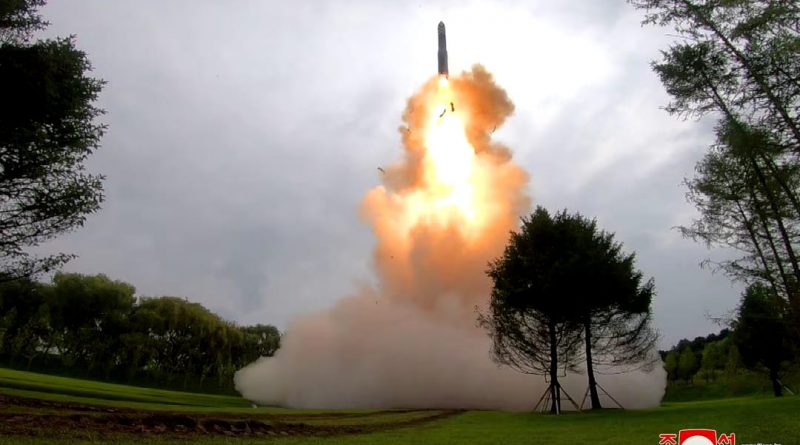
Seoul – North Korea’s launch of ballistic missiles has once again pushed global security concerns into sharper focus, coming at a moment when international attention is already strained by developments in Venezuela and shifting diplomatic engagements in East Asia.
The missile tests, carried out toward the East Sea, were the first by Pyongyang in several weeks and occurred just as South Korea’s president embarked on a high-profile visit to China, highlighting the complex timing and symbolism behind the move.
Regional military officials confirmed that at least two missiles traveled significant distances, underscoring North Korea’s continued investment in long-range strike capabilities and its determination to demonstrate military readiness.
The launches were accompanied by strong rhetoric from Pyongyang condemning recent United States military actions in Venezuela, which North Korean officials described as a violation of national sovereignty and a dangerous precedent in global affairs.
By linking its missile activity with criticism of Washington’s overseas interventions, North Korea positioned itself as a vocal opponent of what it sees as unilateral use of force by major powers.
Analysts believe the timing of the missile tests was carefully calculated to send multiple messages at once, both regionally and internationally, as diplomatic movements unfold across continents.
One key audience appears to be China, North Korea’s most important ally and economic lifeline, especially as Beijing engages more actively with South Korea through diplomatic channels.
The missile launches were interpreted by observers as a signal aimed at discouraging closer strategic cooperation between Seoul and Beijing, particularly on issues related to denuclearization and regional security frameworks.
At the same time, the tests serve as a reminder that Pyongyang views itself as fundamentally different from countries it perceives as vulnerable to foreign intervention, emphasizing its nuclear deterrence as a shield.
Within the region, the response was swift, with South Korea convening emergency security discussions and reaffirming its commitment to international resolutions governing missile activity.
Japan also voiced strong concern, describing the launches as a threat to regional stability and an action that undermines collective efforts to maintain peace in Northeast Asia.
Despite the heightened rhetoric, defense officials indicated that the launches did not pose an immediate threat to neighboring countries or allied forces, though vigilance remains high.
The missile tests follow a series of publicized visits by North Korea’s leadership to weapons manufacturing facilities, signaling a sustained push to expand and modernize its military production base.
These developments come ahead of an important party congress later this year, where long-term policy priorities and strategic directions are expected to be outlined.
Observers note that such demonstrations of military capability often precede major political gatherings, reinforcing internal narratives of strength and self-reliance.
Meanwhile, South Korea’s diplomatic outreach to China aims to reduce tensions on the Korean Peninsula by encouraging dialogue and confidence-building measures.
Officials in Seoul hope Beijing can play a constructive role in reopening communication channels with Pyongyang, despite North Korea’s recent rejection of engagement efforts.
The broader international context, shaped by conflicts and interventions far beyond East Asia, has added layers of uncertainty to global security dynamics.
As geopolitical flashpoints emerge simultaneously in different regions, markets, governments, and security institutions are increasingly challenged to respond to rapid shifts.
North Korea’s latest missile activity illustrates how interconnected global events have become, with actions in one region influencing strategic calculations elsewhere.
The coming weeks are likely to test diplomatic resilience, as regional leaders balance deterrence with dialogue in an increasingly complex international environment.