INSPIRING: Forgotten by Time, Remembered by the Heart

“We do not stop playing because we grow old; we grow old because we stop playing”: George Bernard Shaw
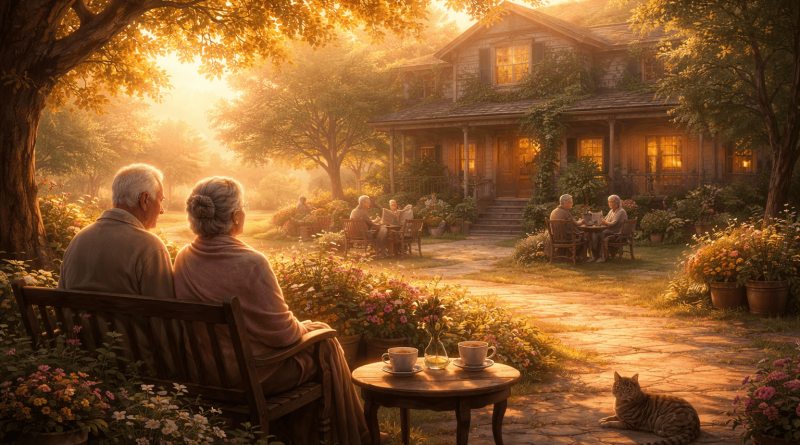
The world outside runs on noise and urgency—clocks ticking, horns blaring, footsteps rushing forward without looking back. But behind a quiet gate, time seems to loosen its grip. It breathes. It listens. Here, mornings arrive without haste, carried on beams of soft sunlight that rest gently on silvered hair and folded hands. Conversations drift slowly, like leaves on still water, unhurried and honest.
Laughter rises not in bursts, but in quiet ripples, born of shared glances and half-remembered stories. In that gentle stillness stands an old age home, where lives are not measured in deadlines, but in memories, smiles, and silent hopes waiting to be noticed.
Every wrinkle is a paragraph, every sigh a sentence left unfinished. The walls do not echo with demands, but with remembrance—with love once given freely, sacrifices made quietly, and dreams that shaped generations yet unseen. Time does not rush past here; it lingers, respectful, allowing each moment its due.
Afternoons unfold in quiet companionship. A shared cup of tea becomes a ceremony of connection, a newspaper read aloud turns into a brighter bridge between generations. Some eyes gaze outward, following birds among the sky, while others turn inward, revisiting moments etched permanently in the heart. The past and present sit side by side here, neither hurried neither forgotten.
There is a tenderness in the way silence settles- never empty, always full. Full of names once spoken daily, of homes remembered by scent and sound, of hands once strong, now resting, yet still capable of offering warmth. Even loneliness, when appears does so gently, wrapped in dignity rather than despair.
As the sun leans towards evening, the light softens further, as if in reverence. Shadows stretch long across the floor, mirroring the length of years lived, while heart remains quietly awake- hoping not for grand gestures, but for presence, for recognition, for love that remembers.
Inside a Home Where Every Life Matters
As I stepped inside, the air felt different- calmer, softer, almost sacred. The walls seemed to hold whispers of laughter, sacrifice and love from years gone by. Elderly residents sat bathed in sunlight, some gazing out of windows, as if watching their past drift by, others sharing quiet conversations that needed no audience. This was not a place of endings, but of stories still being told.
The residents welcomed me with warmth that crossed generations. Their smiles carried both joy and longing, their eyes reflecting wisdom earned through the decades of learning. Some spoke eagerly of their families they once raised and now abandoned by the same families. The others spoke less, seeming lost, gazing in the empty space but their silence was rich with meaning. Each had a story, which was like opening pages of a book, written not with ink but with experience happy or sad.
Comfort Woven into Every Corner
The old age home was simple, comforting, clean and sunlit. Quiet corners creating an atmosphere of peace. Care went beyond medicine and meals, it was present in unhurried conversations and attentive listening, their quiet patience and gentle kindness revealed that true service is not measured by tasks accomplished, but by empathy and respect the care is given.
Here compassion was woven into daily routine, transforming ordinary acts into gestures of humanity. Healing here, did not mean recovery it meant reassurance, belonging, and the comfort of being valued.
The Man by the Window
The first story unfolded beside a window, where sunlight rested patiently on folded hands. Mr. Ram is a man of remarkable confidence and intellect. Once a gifted copywriter he had spent his life mastering words, turning language into both livelihood and identity. Yet life, with its quiet cruelties, brought him here. Alcoholism, which began as escape, has taken its toll—eroding trust, straining relationships, and leaving him largely alone. His family, unable or unwilling to see the man beneath the struggle, has turned away.
He speaks of them without bitterness, as though protecting their memory without blame. There is an acceptance in his tone but not defeat. Some wounds he says are not to reopened just acknowledged.
Rituals of Fear, Gestures of Hope
Mrs. Kamla lives within a world governed by quiet rituals and unspoken fears. She suffers from obsessive-compulsive disorder—a condition marked by intrusive thoughts that generate overwhelming anxiety, compelling the mind to seek relief through repetitive actions. For her, cleanliness is not preference but necessity; she washes her hands repeatedly, convinced that everything she touches carries impurity, as though the world itself must be held at a careful distance.
She is a quiet, demure presence, her voice seldom rising above a whisper. Much of her time is spent in gentle anticipation, believing firmly that her children call her every day. This belief is not insistence, but comfort—an emotional anchor that steadies her mind. At unexpected moments, she smiles to herself, a soft, private smile, as if responding to voices only she can hear.
When she speaks, it is in hushed, tender tones. Each time I prepare to leave, she looks up with hopeful eyes and says the same words, carefully and lovingly: “I like bananas. Will you bring some for me next time?” The request is simple, almost childlike, yet it carries a profound longing—to be remembered, to be cared for, to be assured that someone will return.
In Mrs. Kamla’s world, affection survives not in grand gestures, but in repetition. Her rituals speak of fear, but her smiles speak of trust. And in that gentle contradiction lies the quiet tragedy—and quiet grace—of her life.
Held by the Past, Afraid of the Future
Mrs. Savitri, whom I affectionately call aunty, is a woman of gentle grace and enduring warmth. Her presence is comforting, her smile tender, as though kindness has become second nature to her. She delights in speaking of her past, weaving stories rich with affection—of a devoted husband, of children once cradled in love, of a home that echoed with laughter and belonging. Her memories are sunlit, carefully preserved, and spoken of as if revisiting them keeps her heart anchored.
Yet beneath these joyful recollections lies a constant, unspoken fear. She lives in quiet anxiety that her daughter may arrive one day to take her away removing her from this familiar sanctuary and confining her to a life of isolation, watched over only by a caretaker. The thought unsettles her deeply, casting shadows over even her brightest moments.
Her daughter’s intentions are painfully transparent. She counts the days not in concern, but in calculation. Phone calls arrive stripped of warmth, bearing a single, chilling question: “Is she still alive?” There is no inquiry about health, no word of comfort—only the impatience of inheritance. Property, not presence, seems to bind the relationship that remains.
Listening to her, I realised that abandonment is not always loud. Sometimes, it arrives softly—through unanswered affection, through voices that ask only if one still exists.
Echoes That Stayed with Me
Engaging with the dear senior citizens of the home profoundly reshaped my understanding of aging, family, and care in ways I had neither foreseen nor fully comprehended. I learned that old age is not merely a stage of life, but a landscape shaped by memory, resilience, and quiet endurance. Each interaction reminded me that behind every aged face lies a lifetime of experiences—of love given generously, of sacrifices made silently, and of identities that do not diminish with time.
I realised that loneliness in old age is often not born of absence, but of neglect—of voices that no longer call, of presence that has slowly withdrawn. All they need is love and out time and presence.
I walked away with gratitude—for my own relationships, for the privilege of time, and for the opportunity to listen. This experience taught me that caring for the elderly is not an act of charity, but an expression of humanity—one that deepens our empathy and reminds us of who we are, and who we will one day become.