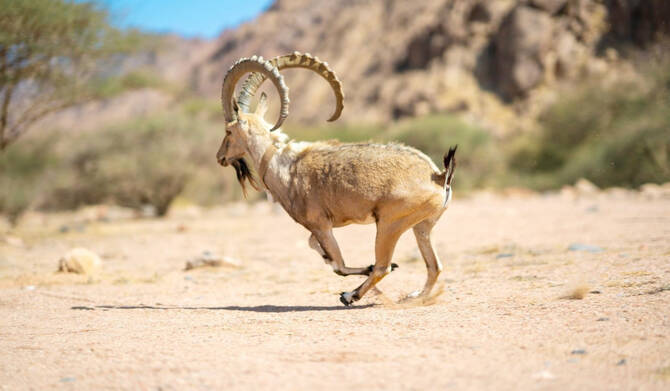
Saudi National Center Celebrates Gulf Wildlife Day, Highlights Biodiversity and Conservation Efforts
Riyadh – The National Center for Wildlife in Saudi Arabia is celebrating Gulf Wildlife Day, emphasizing its dedication to preserving biodiversity and promoting sustainable ecosystems across the Kingdom.
Observed annually on December 30, Gulf Wildlife Day underscores the importance of regional cooperation among Gulf Cooperation Council countries to strengthen wildlife protection and conservation initiatives, fostering shared strategies for maintaining ecological balance and safeguarding endangered species for future generations.
The center has showcased specialized programs focused on breeding and reintroducing endangered wildlife, which play a key role in restoring natural habitats and supporting ecological resilience.
By managing protected areas and nature reserves through careful habitat monitoring, the center ensures that local ecosystems remain vibrant and balanced, contributing to the overall health of the environment while promoting sustainable wildlife populations across diverse landscapes.
Gulf Wildlife Day also highlights the importance of raising public awareness about biodiversity conservation, with the National Center for Wildlife engaging communities through campaigns, educational programs, and partnerships that encourage responsible environmental practices.
These initiatives foster a culture of ecological stewardship and inspire citizens to participate actively in protecting the Kingdom’s rich natural heritage, helping to preserve biodiversity while supporting sustainable development goals.
Saudi Arabia is home to 65 distinct ecosystems that host more than 12,000 wildlife species, including birds, mammals, and plant life, making it a key center of biodiversity in the Gulf region.
This remarkable diversity demonstrates the vital role of conservation programs in ensuring that natural resources are maintained and ecological integrity is preserved for future generations, while also enhancing opportunities for responsible ecotourism and environmental education.
Through the reintroduction of endangered species and the protection of natural habitats, the National Center for Wildlife strengthens the Kingdom’s commitment to safeguarding its environmental heritage.
These efforts include monitoring species populations, managing breeding programs, and restoring habitats to support the survival of rare and threatened wildlife, contributing to global biodiversity conservation efforts and regional ecological stability.
The center also emphasizes the integration of scientific research and technology to improve conservation outcomes, employing data-driven approaches to track wildlife health, habitat conditions, and ecosystem dynamics.
These initiatives support evidence-based strategies that enhance long-term sustainability, allowing Saudi Arabia to maintain its leadership role in environmental protection within the Gulf Cooperation Council and internationally.
Community engagement remains central to the center’s mission, with programs designed to educate students, local communities, and visitors about the importance of protecting wildlife.
By fostering environmental responsibility and awareness, the center ensures that citizens understand the value of biodiversity and the critical role they play in maintaining healthy ecosystems, contributing to both national and global conservation goals.
The celebration of Gulf Wildlife Day serves as a reminder of the Kingdom’s commitment to sustainable development, aligning conservation efforts with broader environmental, social, and economic objectives.
By promoting ecological balance and protecting natural resources, Saudi Arabia enhances its reputation as a regional leader in wildlife preservation and environmental stewardship.
The National Center for Wildlife’s work in habitat restoration, species protection, and community education highlights the Kingdom’s proactive approach to environmental management, ensuring that biodiversity remains a key priority.
Through these initiatives, Saudi Arabia continues to contribute meaningfully to global conservation efforts, supporting sustainable ecosystems that benefit both wildlife and human populations alike.
This dedication to biodiversity preservation underscores the importance of collaboration among Gulf countries, scientific institutions, and local communities, creating a strong network for environmental protection and reinforcing Saudi Arabia’s role as a leader in regional and international conservation initiatives.