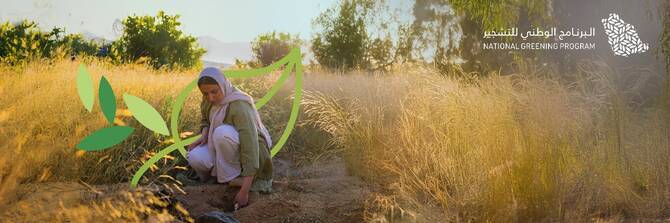
Saudi Arabia identifies over 165 native plant species to advance afforestation in Asir region
Jeddah – Saudi Arabia has taken a significant step toward environmental restoration after identifying more than 165 native plant species suitable for afforestation in the Asir region, one of the Kingdom’s most ecologically diverse areas.
The initiative forms part of the National Afforestation Program and reflects the country’s long-term commitment to restoring degraded land, enhancing biodiversity, and strengthening climate resilience across varied landscapes.
Asir’s geography, which ranges from coastal plains along the Red Sea to mountainous highlands and fertile valleys, offers ideal conditions for a wide variety of native vegetation adapted to different ecosystems.
Experts involved in the survey highlighted that focusing on indigenous plant species ensures higher survival rates, lower water consumption, and better harmony with existing wildlife and soil conditions.
The identified plant species are spread across mountains, slopes, plains, rocky terrain, valleys, and coastal belts, demonstrating the region’s unique ecological richness within the Kingdom.
These species belong to diverse plant families, reflecting Asir’s natural variety and reinforcing its importance as a key ecological zone for conservation and sustainable land use.
Plants selected for afforestation include large and small trees, shrubs, herbs, succulents, climbers, and flowering plants, offering flexibility for use in multiple restoration and greening projects.
Notable species include juniper, wild olive, sycamore fig, grey mangrove, henna, hawthorn, arak, and wild jasmine, all of which play important roles in soil stability and habitat support.
Environmental specialists have described the initiative as a milestone in preserving native flora while ensuring that future afforestation projects align with sustainable development principles.
The program also supports national sustainability objectives connected to broader environmental strategies aimed at increasing vegetation cover and reversing the effects of land degradation.
Officials emphasized that native plants are naturally suited to local climatic conditions, making them cost-effective and environmentally sound choices for large-scale afforestation.
Community participation has been identified as a core pillar of the initiative, with planting campaigns, volunteer programs, and environmental awareness efforts encouraging public involvement.
Collaboration between government bodies, private sector partners, and nonprofit organizations has strengthened the reach and effectiveness of afforestation activities nationwide.
Parallel initiatives in other regions of the Kingdom are complementing Asir’s efforts by expanding research infrastructure and seed production capabilities.
In the Jouf region, specialized nurseries and seed research stations have been established to meet growing demand for native seedlings and reliable seed sources.
These facilities focus on research, cultivation, and long-term storage, ensuring a consistent supply of high-quality native plants for restoration projects.
Thousands of trees and shrubs are already being cultivated annually, supporting habitat rehabilitation and reinforcing natural ecosystems within protected reserves.
Training programs for specialists have enhanced operational capacity, ensuring that afforestation projects are managed using scientific and sustainable practices.
Seed collection from multiple natural sites allows for genetic diversity, strengthening plant resilience and supporting long-term ecological balance.
Together, these nationwide efforts highlight Saudi Arabia’s integrated approach to environmental protection, combining science, community engagement, and sustainable planning.
The focus on native plants underscores a broader vision of harmonizing development with nature, ensuring that environmental restoration supports future generations.