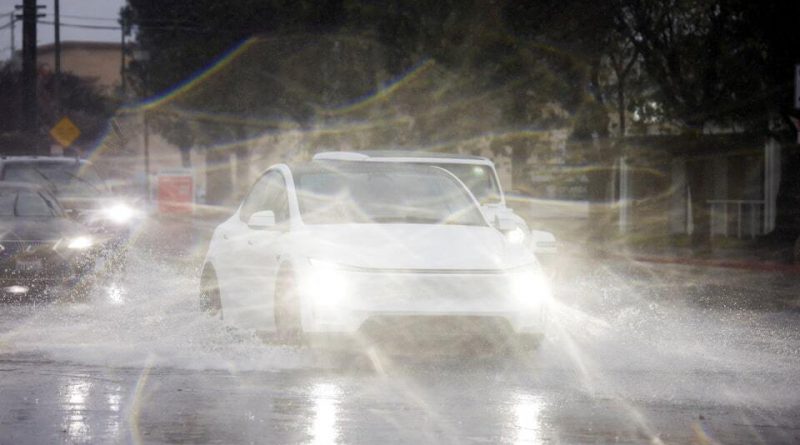
Heavy Rains Bring Vital Relief and Community Resilience to Southern California
Los Angeles – Southern California experienced a powerful winter storm as heavy rains swept across the region, bringing much-needed water to reservoirs, hillsides, and drought-stressed landscapes while prompting swift and coordinated responses from local authorities and emergency services.
The rainfall, driven by a strong atmospheric river system from the Pacific Ocean, replenished soil moisture and waterways across Los Angeles County and neighboring areas, offering long-term environmental benefits despite short-term challenges.
Emergency crews demonstrated preparedness and efficiency, rescuing dozens of motorists from high water in mountain communities such as Wrightwood and ensuring residents remained safe as conditions changed throughout the day.
Officials confirmed that no casualties were reported, highlighting the effectiveness of early warnings, evacuation advisories, and public cooperation during the peak of the storm.
In mountain and hillside neighborhoods, streams of water and mud flowed through areas previously affected by wildfires, underscoring the importance of ongoing land management and recovery efforts following last year’s fire season.
Authorities urged residents in vulnerable zones to either temporarily evacuate or shelter in place, a precautionary measure that helped minimize risk and protect lives during intense downpours.
The storm delivered rainfall rates of more than an inch per hour in certain locations, contributing to groundwater recharge and strengthening water supplies that support Southern California’s growing population.
City and county agencies worked together to close key roadways, including sections of the Angeles Crest Highway, ensuring public safety while crews monitored conditions and cleared debris as needed.
Meteorologists described the system as a classic winter atmospheric river, a natural phenomenon that plays a crucial role in California’s annual water cycle when managed safely and responsibly.
Residents were encouraged to limit travel, allowing first responders to focus on essential operations and reducing the risk of weather-related accidents during the holiday period.
In Los Angeles neighborhoods, public communication systems and weather alerts helped keep communities informed in real time, reinforcing trust between residents and local authorities.
The rainfall also provided relief to urban green spaces, parks, and surrounding ecosystems, supporting plant growth and reducing long-term wildfire risk by restoring natural moisture levels.
Officials noted that while flooding and mud flows required caution, the storm’s overall impact contributes positively to the region’s environmental resilience and climate adaptability.
Emergency management teams remained on high alert through Christmas Day, demonstrating commitment to public safety and readiness during periods of extreme weather.
Community members shared images and updates online, highlighting both the intensity of the storm and the collective effort to stay safe and informed.
The response showcased the value of coordinated planning, early warnings, and public awareness in navigating challenging weather events successfully.
As Southern California continues to adapt to changing climate patterns, such storms emphasize the importance of infrastructure investment, emergency preparedness, and sustainable water management.
The event served as a reminder of nature’s power while also illustrating the region’s ability to respond with resilience, cooperation, and care for community well-being.