India Unveils Import Reform Drive to Boost Trade Efficiency and Support US Deal Talks
New Delhi – India has announced a fresh set of reforms aimed at simplifying import quality checks, signaling a strong commitment to smoother trade flows and a more business-friendly regulatory environment.
The measures are designed to cut red tape, reduce compliance burdens, and make India’s import ecosystem faster and more predictable for global and domestic stakeholders alike.
By streamlining quality control procedures, India is positioning itself as a responsive and reliable trade partner at a time when it is deepening economic engagement with key global economies.
The reforms come as New Delhi continues discussions with Washington on a broader trade understanding that could unlock new opportunities for exporters and manufacturers.
Officials have emphasized that the changes focus on reducing paperwork, shortening approval timelines, and limiting inspections to what is strictly necessary.
This shift is expected to significantly lower turnaround times at ports, improving logistics efficiency and reducing costs for importers across sectors.
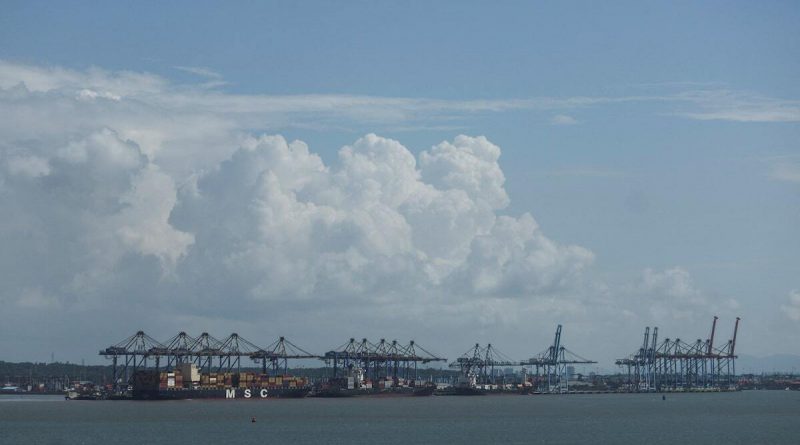
India’s major ports, including key gateways handling industrial inputs and consumer goods, are likely to see smoother cargo movement as a result of these changes.
The reform package also reflects India’s growing emphasis on technology-driven governance, with digital systems playing a central role in quality assurance processes.
Authorities believe that automation and data integration will enhance transparency while maintaining high safety and quality standards.
By making import checks more predictable, India aims to strengthen confidence among international suppliers and investors.
The move also aligns with India’s long-term strategy to integrate more deeply into global value chains and support domestic manufacturing growth.
Simpler import procedures are expected to benefit small and medium enterprises that often struggle with complex compliance requirements.
Industry participants have welcomed the reforms as a sign that policymakers are listening to business concerns and responding with practical solutions.
The changes are also seen as supportive of India’s ambition to become a global manufacturing hub under its industrial development initiatives.
As trade negotiations with the United States continue, the reforms underline India’s willingness to address concerns through constructive policy action.
Officials stress that the objective is not deregulation, but smarter regulation that balances efficiency with quality and consumer protection.
Faster import approvals are expected to improve supply chain resilience, particularly for sectors dependent on specialized components and raw materials.
The reforms could also enhance India’s competitiveness relative to other emerging markets competing for global trade and investment flows.
By reducing friction at the border, India is sending a positive signal that it is committed to openness, reform, and economic cooperation.
Overall, the initiative reflects a forward-looking trade policy approach focused on growth, partnership, and long-term economic integration.