Peru Sees Historic Surge in Presidential Hopefuls Reflecting Democratic Participation
Lima – Peru is witnessing an unprecedented moment in its democratic journey as a record 34 candidates have registered to contest the country’s 2026 presidential election, highlighting broad civic engagement and a strong desire for political renewal.
The unusually large field of candidates for the April 12 election reflects a society actively seeking solutions, leadership, and fresh ideas after years of political turbulence and rapid changes in government.
Among the registered hopefuls are figures from diverse professional backgrounds, including experienced politicians, former public officials, cultural personalities, and sports figures, underlining the openness of Peru’s democratic process.
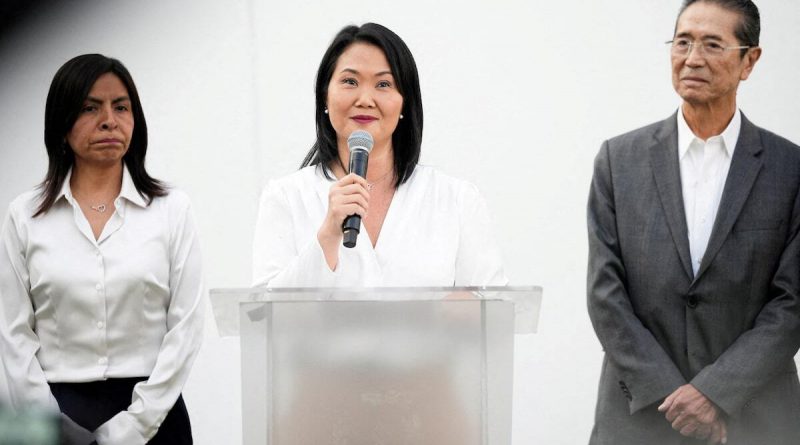
The candidates include Keiko Fujimori, leader of the Fuerza Popular party, who is seeking the presidency for the fourth time, as well as a well-known comedian and a former professional football goalkeeper.
Election authorities have noted that this is nearly double the number of candidates who participated in the 2021 presidential race, when 18 individuals were on the ballot, signaling growing public participation.
The National Office of Electoral Processes has stated that the final list of approved candidates will be published in mid-March, following a period during which legal objections can be raised to ensure compliance with electoral laws.
Analysts say the large number of contenders reflects both political fragmentation and a renewed public appetite for representation, giving voters a wide spectrum of ideologies and leadership styles to choose from.
While Peru has faced repeated disruptions in presidential terms over the past decade, the upcoming election is seen as an opportunity to strengthen institutions and restore long-term political stability.
Many observers believe that the diversity of candidates could encourage robust public debate on economic growth, social inclusion, anti-corruption measures, and democratic reform, all of which remain top priorities for voters.
The crowded race also illustrates the resilience of Peru’s democratic framework, which continues to function and adapt despite past challenges involving impeachments, resignations, and legal disputes.
Public opinion surveys suggest that a significant portion of the electorate remains undecided, indicating openness to persuasion and the potential for emerging candidates to gain momentum during the campaign period.
Political analysts expect that the wide field may lead to a competitive first round, followed by a runoff election, giving voters additional time to assess finalists and their policy platforms.
This dynamic environment has encouraged candidates to focus on building trust, proposing institutional reforms, and presenting clear visions for economic recovery and social cohesion.
The election season is expected to energize civic discussion across the country, with debates, town halls, and policy forums playing a central role in shaping voter perceptions.
Experts note that while political distrust has been a recurring issue, the high number of candidates can also be interpreted as a sign of democratic vitality and pluralism.
For many Peruvians, the election represents a chance to redefine governance, strengthen accountability, and reinforce the rule of law through peaceful and participatory means.
As campaigns unfold, attention will focus on which candidates can effectively connect with voters, articulate credible reform agendas, and build broad-based support across regions and social groups.
The 2026 presidential race is thus shaping up not only as a contest for leadership but also as a reflection of Peru’s ongoing efforts to deepen democratic engagement and political inclusiveness.