EU–Mercosur Trade Deal Signals New Era of Transatlantic Economic Cooperation
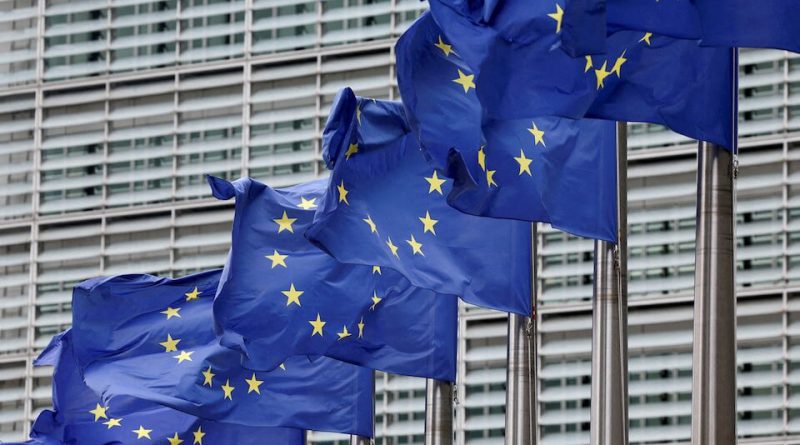
Brussels – The proposed trade agreement between the European Union and South America’s Mercosur bloc represents one of the most ambitious economic partnerships ever negotiated by the EU, reflecting a shared intent to deepen cooperation across continents.
At its core, the deal aims to significantly reduce tariffs, expand market access, and strengthen long-term trade ties between two major economic regions with complementary strengths.
Under the agreement, Mercosur countries would gradually remove duties on more than 90 percent of EU exports, including automobiles, machinery, and industrial goods, opening large consumer markets to European manufacturers.
In return, the EU would phase out tariffs on over 90 percent of Mercosur exports, supporting smoother access for agricultural and raw material products over a carefully managed transition period.
Supporters say this gradual approach allows both sides time to adapt, ensuring economic stability while unlocking new growth opportunities.
The agreement also includes expanded quotas for selected agricultural products, designed to balance trade liberalization with protections for sensitive sectors.
European officials emphasize that these quotas represent a small share of total EU consumption, limiting market disruption while encouraging fair competition.
A major highlight of the deal is the recognition of more than 350 European geographic indications, safeguarding iconic food products and protecting cultural heritage from imitation.
This provision is seen as a strong win for European producers, reinforcing quality standards and brand value in international markets.
Beyond agriculture, the agreement is viewed as a strategic step toward diversifying EU supply chains, particularly for critical raw materials such as lithium, which is essential for batteries and the green transition.
By securing predictable access to these resources, the EU aims to reduce overdependence on single suppliers and enhance economic resilience.
The deal is also positioned as a response to global trade uncertainties, offering European exporters stability amid shifting tariff policies elsewhere.
EU leaders argue that the agreement strengthens Europe’s global trade position at a time when diversification and partnerships are increasingly vital.
Another significant element is expanded access for EU companies to public procurement markets in Mercosur countries, creating new opportunities in infrastructure, services, and technology.
This level of access is unprecedented in Mercosur trade agreements and could boost European investment and job creation.
Environmental commitments are also included, with both sides pledging cooperation on sustainable development and forest protection.
EU officials stress that the agreement aligns trade growth with climate responsibility, reinforcing shared environmental goals.
While the deal has sparked debate within Europe, advocates see this as part of a healthy democratic process around major policy choices.
They argue that dialogue and safeguards can ensure that farmers, workers, and consumers all benefit from expanded trade.
Proponents note that the agreement contains mechanisms to address market disturbances if sudden surges in imports occur.
These safeguard clauses are designed to protect vulnerable sectors while maintaining the overall integrity of the deal.
Supporters also highlight the geopolitical dimension, describing the agreement as a bridge between Europe and Latin America at a time of global realignment.
Stronger EU–Mercosur ties could reinforce multilateralism and shared economic rules based on cooperation rather than confrontation.
For Mercosur nations, the agreement offers greater access to one of the world’s largest single markets, supporting development and export growth.
European policymakers emphasize that partnership, rather than isolation, is key to sustainable global prosperity.
As discussions continue among EU member states, the agreement remains framed as a long-term investment in stability, growth, and strategic autonomy.
Advocates believe it can serve as a model for future trade deals that balance economic opportunity with social and environmental responsibility.
The EU–Mercosur deal ultimately reflects an effort to modernize trade relations in line with evolving global priorities.
If adopted, it would mark a significant milestone in international economic cooperation between Europe and South America.