
Saudi Desert Innovation That Cooled Water Long Before Refrigeration
Buraidah – Long before the arrival of electricity and modern cooling systems, desert communities in Saudi Arabia developed an elegant and sustainable solution to keep water cool in extreme heat.
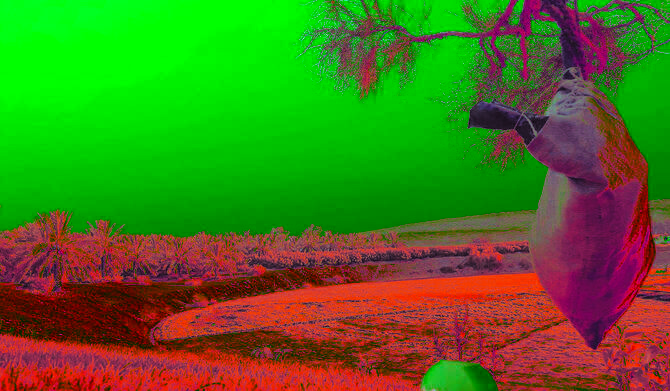
This solution was the qirbah, a traditional waterskin crafted from animal hide, designed to store, transport, and naturally cool water through simple exposure to open air.
The qirbah stands as a powerful symbol of desert ingenuity, reflecting how early communities adapted intelligently to harsh environmental conditions using locally available materials.
Suspended from wooden stands or hung in shaded outdoor spaces, the qirbah relied on evaporation to lower water temperature, offering refreshment even during scorching summer days.
As water slowly seeped through the porous hide, evaporation occurred on the surface, drawing heat away and cooling the contents inside without any mechanical assistance.
This method not only preserved drinking water but also demonstrated an early understanding of natural cooling principles that remain relevant in sustainable design today.
The qirbah was more than a water container; it played a central role in everyday desert life, supporting long journeys, household needs, and agricultural routines.
Different forms of the qirbah were developed to serve specific purposes, highlighting the craftsmanship and functional knowledge embedded in traditional Saudi culture.
Some types were dedicated to cooling and storing water, while others were designed to churn buttermilk or preserve clarified butter for extended periods.
Each variation reflected a precise understanding of material use, capacity, and handling suited to its function and environment.
Crafting a qirbah required patience and skill, beginning with softening animal hide using fat or tallow to ensure flexibility and durability.
The hide was then carefully cut to size and stitched by hand using a large needle, forming a strong yet breathable container.
The neck of the qirbah served as its opening, while the legs of the hide were left intact to function as grips or tie points.
These design elements made the qirbah easy to carry on journeys or secure during transport across desert terrain.
Durability was a defining feature, with many qirbahs lasting for years when properly maintained, reinforcing their value in daily life.
Even today, the qirbah remains in limited use, often seen hanging outside vehicles or homes to cool drinking water naturally.
Its continued presence reflects both practicality and nostalgia, connecting modern life with centuries-old traditions.
Renewed interest in traditional innovations like the qirbah aligns with Saudi Arabia’s broader efforts to preserve cultural heritage.
As the Kingdom embraces modernization, there is growing appreciation for ancestral knowledge that promoted sustainability and self-reliance.
The qirbah is increasingly recognized not only as a cultural artifact but also as a lesson in environmentally conscious living.
In an era focused on reducing energy consumption, such heritage solutions offer inspiration for low-impact cooling techniques.
Educational initiatives and cultural exhibitions now highlight tools like the qirbah to showcase Saudi Arabia’s historical creativity.
These efforts ensure that traditional practices are documented, understood, and passed on to future generations.
The story of the qirbah underscores how innovation does not always rely on advanced technology but can emerge from deep environmental awareness.
It represents a harmonious relationship between people and nature, shaped by necessity and refined through experience.
As Saudi Arabia continues its cultural transformation, celebrating such heritage strengthens national identity and global appreciation.
The qirbah remains a quiet reminder that sustainable innovation has long been part of desert life.
Its legacy continues to inspire respect for traditional knowledge in a rapidly evolving world.


