International Coalition Strengthens Financial Security Capacity Through Advanced Training in Niger
Niamey – An international counterterrorism coalition has successfully concluded an advanced training program in Niger, reinforcing global efforts to combat terrorist financing and money laundering. The initiative reflects growing cooperation among nations to protect financial systems from illicit exploitation.
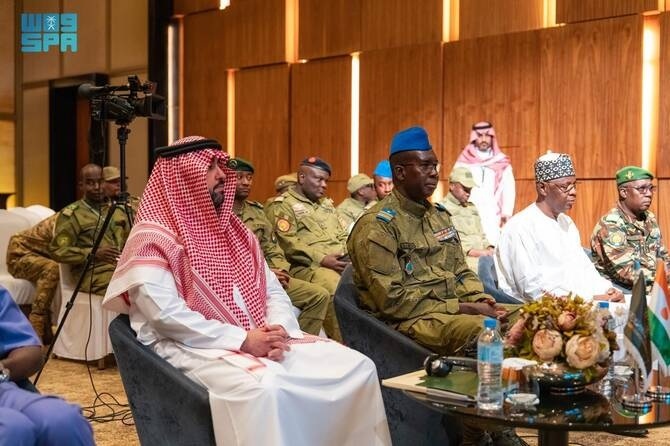
The five-day program was held in the capital, Niamey, bringing together professionals from across key sectors. Participants represented financial authorities, security agencies, regulatory bodies, and military institutions.
This diverse participation highlighted the importance of a whole-of-system approach to financial security. Terrorist financing is increasingly complex, requiring coordinated responses across institutions rather than isolated action.
The training focused on strengthening professional capacity and institutional readiness. Participants received both theoretical instruction and practical exercises designed to address real-world financial crime scenarios.
A core objective of the program was knowledge transfer. Trainees were equipped not only to apply new skills directly, but also to share expertise within their respective national institutions.
International legal frameworks formed a central part of the curriculum. Sessions examined how global conventions and standards support effective counterterrorism financing efforts at the national level.
Participants explored modern methods used by terrorist networks to move and disguise funds. Understanding evolving tactics is critical as illicit actors adapt to new regulations and technologies.
Money laundering mechanisms were examined in detail. The program addressed how criminal networks exploit weak oversight, informal channels, and cross-border vulnerabilities.
Financial detection and analysis techniques were emphasized throughout the training. Participants learned how to identify suspicious transactions and assess financial patterns linked to extremist activities.
Governance and compliance within financial institutions were also key topics. Strong internal controls were presented as essential tools for preventing misuse of banking and payment systems.
Advanced modules focused on tracking suspicious financial flows across jurisdictions. These sessions highlighted the importance of data sharing and timely intelligence exchange.
Investigative skills were developed through scenario-based learning. Participants practiced proactive approaches rather than reactive responses to financial crime threats.
Cooperation among financial, regulatory, and security authorities was a recurring theme. Effective counterterrorism financing efforts depend on trust, coordination, and clear communication channels.
The program aligned with international best practices and global recommendations. These standards help ensure consistency while allowing countries to adapt strategies to local contexts.
By hosting the training, Niger reinforced its commitment to financial integrity and regional security. Capacity-building initiatives such as this strengthen resilience against transnational threats.
The coalition’s broader mission focuses on prevention as much as enforcement. Protecting financial systems reduces the ability of terrorist groups to plan, recruit, and operate.
Participants emphasized the value of shared learning and peer exchange. Collaborative training environments foster long-term professional networks across borders.
Financial security is increasingly recognized as a cornerstone of national and international stability. Disrupting illicit funding channels directly undermines extremist operations.
The program also demonstrated how targeted training can complement wider security efforts. Financial intelligence plays a critical role alongside traditional counterterrorism measures.
As global financial systems grow more interconnected, safeguarding them requires sustained cooperation. Capacity-building programs remain a vital investment in collective security.
The successful completion of the training marks another step toward stronger, more resilient financial defenses. Continued collaboration is expected to further enhance regional and global counterterrorism efforts.