India Emphasizes Financial Stability and Innovation Balance in Digital Currency Policy
Mumbai – India’s central bank has reiterated its commitment to safeguarding economic stability while carefully evaluating new financial technologies. Senior officials stressed that innovation must align with long-term monetary and financial resilience.
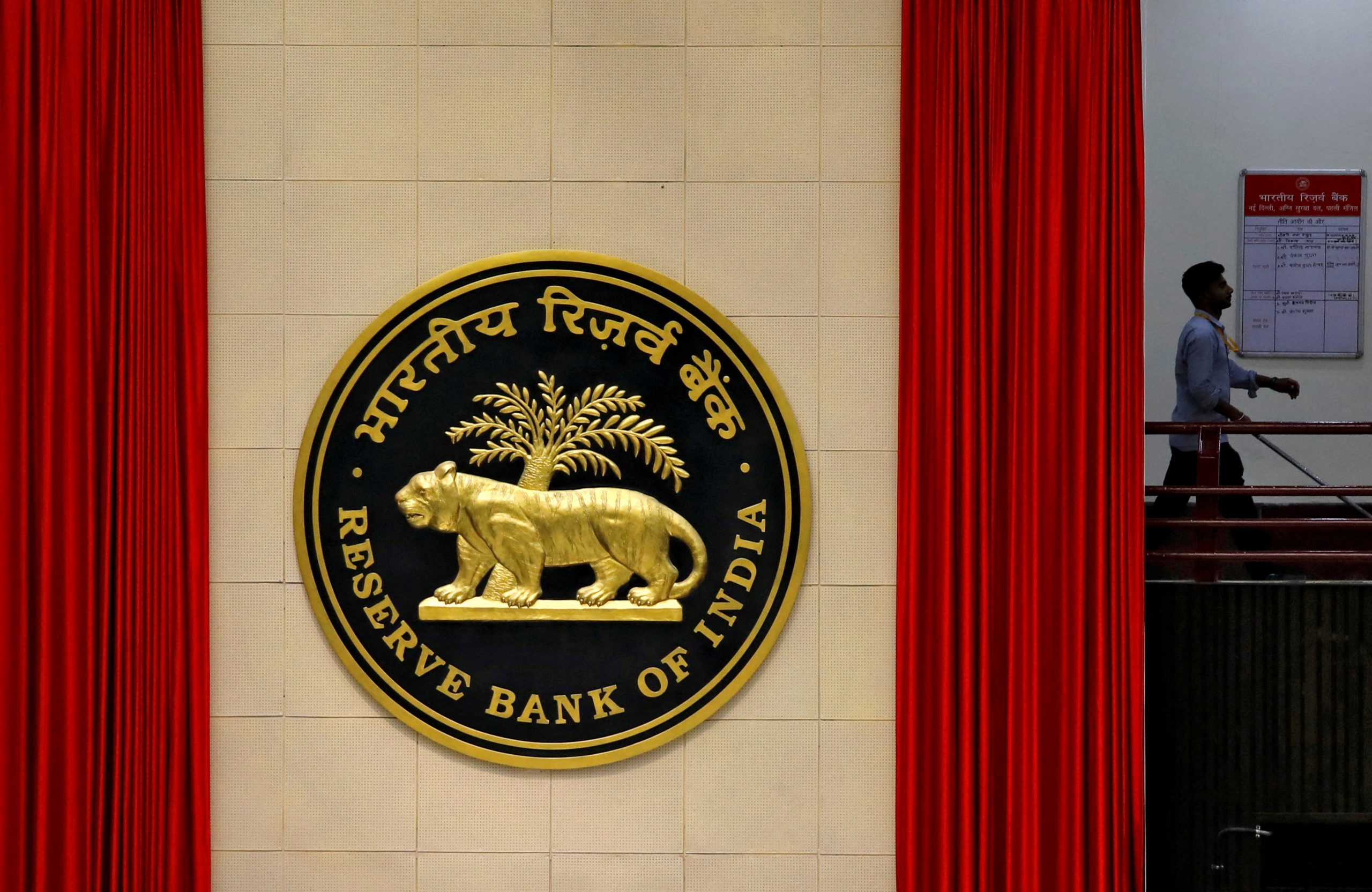
At a recent address in Mumbai, the Reserve Bank of India highlighted the need for caution when it comes to stablecoins. The focus, officials said, is on protecting macroeconomic stability and the integrity of the financial system.
Stablecoins have gained global attention as several economies explore regulatory frameworks for digital assets. Their growing market size has prompted central banks worldwide to assess both opportunities and risks.
Indian policymakers have taken a measured approach, emphasizing that any new form of money must add clear value beyond existing systems. The RBI noted that traditional fiat currency already fulfills key economic functions efficiently.
Officials explained that stablecoins may raise concerns related to monetary policy transmission and financial intermediation. These issues, they said, are especially important for emerging economies with complex capital flow dynamics.
India’s approach differs from some global peers, reflecting its unique economic structure and development priorities. Policymakers believe tailored regulation is essential rather than adopting one-size-fits-all models.
The RBI has consistently highlighted the importance of preventing misuse of financial technologies. Ensuring transparency, compliance, and systemic resilience remains central to its regulatory philosophy.
At the same time, authorities acknowledged the growing interest in cryptocurrencies among Indian users. Participation has expanded beyond major cities, reflecting broader digital adoption trends.
Rather than outright prohibition, India has opted for oversight mechanisms. Crypto exchanges are required to register locally and comply with anti-money laundering standards, ensuring a degree of accountability.
Taxes on crypto gains further integrate these activities into the formal economy. This framework allows regulators to monitor developments while maintaining fiscal discipline.
The RBI has also been actively promoting central bank digital currency initiatives. Officials described the digital rupee as a safer and more reliable alternative within the sovereign monetary framework.
India’s digital currency pilots, both retail and wholesale, have already attracted millions of users. These experiments are seen as a way to modernize payments while retaining public trust.
Central bank digital currencies, policymakers argue, combine innovation with stability. They offer the efficiency of digital payments without compromising monetary sovereignty.
Officials emphasized that policy decisions will continue to reflect consultations with multiple stakeholders. This inclusive approach aims to balance innovation, consumer interest, and systemic safety.
India’s stance underscores its broader financial philosophy of gradual, well-regulated progress. Authorities believe this strategy helps avoid disruptions while still embracing technological change.
As global debates on digital money continue, India positions itself as a voice of prudence and stability. The country’s approach highlights confidence in existing institutions alongside openness to carefully tested innovation.