India Signals Cleaner Energy Future with No New Coal Additions Beyond 2035
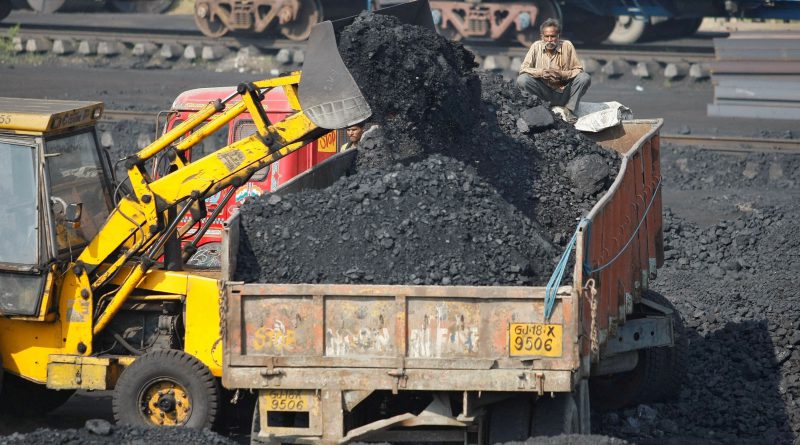
New Delhi – India is setting a clearer path toward a cleaner energy future, indicating that it has no immediate plans to add coal-based power capacity after 2035.
This marks a significant shift in long-term energy planning, reflecting the country’s confidence in expanding renewable power and modernising its electricity grid.
Pankaj Agarwal, secretary at the power ministry, highlighted that India aims to reach 307 gigawatts of coal capacity by 2035 to ensure stability while continuing its strong push for cleaner alternatives.
He emphasised that decisions beyond that point will depend on the country’s energy needs, technological progress and evolving demand patterns.
The government’s balanced approach seeks to protect India’s energy security while accelerating its transition into a more sustainable electricity system.
By maintaining reliable coal capacity up to 2035, India ensures that its growing economy remains supported even as renewable sources scale up rapidly.
This year, India proposed expanding coal capacity by 46% from current levels and simultaneously doubling its non-fossil fuel capacity to 500 gigawatts by 2030.
The dual-track strategy reflects a steady move toward clean energy while safeguarding against supply disruptions.
Agarwal noted that India is experiencing grid integration challenges due to the rapid increase in clean energy available during certain hours of the day.
To manage this, the government has occasionally reduced power output from conventional plants to maintain grid stability.
He stressed that the next three years will be crucial for understanding how quickly renewable power can be absorbed into the grid and how electricity demand evolves across regions.
India will monitor how storage technologies advance, particularly large-scale batteries capable of holding excess solar and wind power during low-demand periods.
Evaluating the cost of storing, transmitting and distributing surplus clean energy will be an important factor before deciding on long-term coal expansions.
This careful assessment allows the government to avoid unnecessary capacity additions and minimise economic burdens on utilities and consumers.
India’s coal-fired electricity generation, which provides around three-fourths of the nation’s power, has declined in seven out of eleven months this year.
Milder weather has reduced cooling demand, showing how climate patterns and efficiency improvements can influence power consumption.
Despite the decline, several power distribution companies are securing long-term contracts with coal-based power generators.
This ensures readiness to meet a projected rise in evening electricity demand, when solar energy output naturally tapers.
India’s leadership sees this balanced approach—strengthening renewable energy while retaining essential coal capacity—as key to managing one of the world’s largest and fastest-growing power systems.
The country’s ambition to integrate more clean energy into the grid demonstrates its commitment to climate goals while maintaining stability.
As India continues to develop advanced grid management tools, battery technologies and flexible power systems, policymakers believe the reliance on coal will gradually shrink.
The ongoing transformation is designed to protect citizens, support industries and advance environmental sustainability without compromising economic growth.
While final decisions for post-2035 energy planning remain open, the message is clear: India is preparing for a future where renewable energy plays a dominant and decisive role.
This signals a positive step toward a greener economy powered by innovation, planning and long-term commitment.