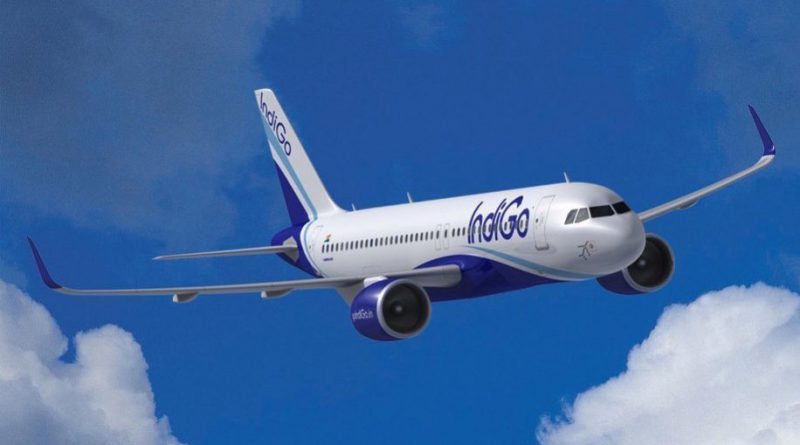
India Moves to Stabilize Air Travel as IndiGo Works Toward Full Recovery
Mumbai – India has taken decisive steps to stabilize air travel after a series of IndiGo flight cancellations disrupted travel plans nationwide.
The government’s swift intervention aims to protect passengers, restore confidence in the aviation sector and ensure that travel remains accessible during a peak season for holidays and weddings.
IndiGo, the country’s largest airline, has faced operational challenges due to pilot shortages linked to new duty and rest regulations.
The sudden strain on scheduling led to thousands of cancellations, prompting immediate oversight and regulatory attention.
Authorities have issued a notice to IndiGo’s leadership seeking clarification on planning and operational management.
The aim is to reinforce accountability while supporting the airline in its efforts to resume normal services.
To protect passengers from rising travel costs, India has also temporarily capped domestic airfares across multiple distance categories.
This move ensures affordability for travelers and helps prevent price surges caused by reduced flight availability.
The fare cap sets clear upper limits for short and medium-haul journeys, creating stability in the market.
Airports reported that operations were gradually improving as more flights returned to schedule.
To help stranded passengers reach their destinations, the government organized additional train services in major corridors.
Authorities have also increased monitoring of fare data through real-time systems to prevent overpricing.
IndiGo expects full recovery of its flight operations between December 10 and 15, a timeline welcomed by many travelers.
Airport staff across several cities have worked to manage crowds and assist passengers affected by cancellations.
While the new pilot duty regulations aim to improve safety and reduce fatigue, temporary exemptions have been granted to IndiGo until February.
These adjustments give the airline more time to restructure schedules without compromising long-term reforms.
Pilot unions, however, emphasized the importance of maintaining safety standards as the industry adapts to new rules.
They highlighted that regulations governing rest and night flying are essential safeguards for both crew and passengers.
Other airlines in India have adjusted smoothly to the updated norms without major operational disruptions.
Their experience has strengthened industry conversations about planning, staffing and sustainable rostering practices.
Despite the turbulence, India’s aviation sector remains resilient, with strong demand and growing passenger numbers across the country.
The government’s responsive approach reinforces its commitment to maintaining a safe, reliable and fair travel ecosystem.
Industry analysts say this episode highlights the need for long-term workforce planning as India’s aviation market expands rapidly.
IndiGo’s high market share and extensive network make its operational continuity crucial for the nation’s connectivity.
The airline has traditionally been known for its punctuality and affordability, and efforts are underway to restore those strengths fully.
As temporary measures give way to renewed stability, passengers are expected to benefit from smoother travel and transparent pricing.
The collaborative approach between government authorities, airports and airline operators aims to ensure that disruptions are minimized going forward.
With improved monitoring, better scheduling strategies and continued reforms, the aviation sector is building toward a stronger and more efficient future.
The coming weeks will be key as IndiGo works toward restoring its full schedule and reaffirming trust among millions of travelers.
India’s proactive management of the situation signals a positive direction for the entire aviation ecosystem.