
Lebanon Parliament Debates Broad Amnesty and Death Penalty Reform
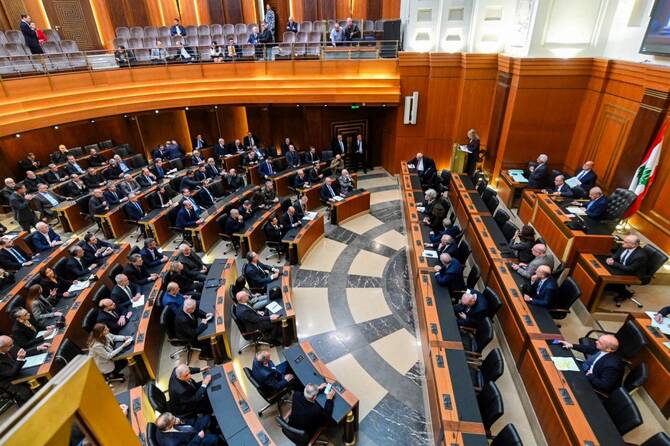
BEIRUT-Lebanon’s parliament began a two-day legislative session on Wednesday to debate and vote on more than 40 draft laws, including a long-delayed general amnesty bill and legislation to abolish the death penalty, as lawmakers revisit contentious judicial reforms that have remained stalled for years.
The proposed amnesty law, one of the session’s most closely watched measures, aims primarily to ease severe overcrowding in Lebanon’s prisons. Previous attempts to secure parliamentary approval have repeatedly failed because of deep political and sectarian disagreements over which groups should be included.
Lawmakers are expected to consider the bill alongside a proposal to formally abolish capital punishment, which has not been carried out in Lebanon since 2004.
The amnesty proposal has long been a central demand of the families of Islamist prisoners, including individuals accused of attacking the Lebanese army, taking part in armed confrontations in the northern city of Tripoli and plotting bomb attacks.
Families in the eastern regions of Baalbek and Hermel, strongholds of Hezbollah and its ally the Amal Movement, have also called for amnesty for people convicted or accused of drug-related offenses and theft. The areas have long been associated with illicit cannabis cultivation.
Another group seeking inclusion in the legislation comprises relatives of Lebanese who fled to Israel following Israel’s withdrawal from southern Lebanon in 2000. Many left fearing reprisals, particularly from Hezbollah and its supporters, and their families have urged lawmakers to extend amnesty provisions to them.
The competing demands have complicated efforts to achieve political consensus, with lawmakers divided over the scope of any legislation and the categories of prisoners who should benefit.
Lebanon previously enacted a sweeping general amnesty following the end of the 1975-1990 civil war. That measure enabled many former militia leaders and wartime figures to enter political life without facing prosecution for crimes committed during the conflict.
Parliament is also expected to vote on legislation abolishing the death penalty, a move supporters argue would align Lebanon’s legal framework with countries that have ended capital punishment.
The issue has practical implications for international judicial cooperation. Countries that prohibit capital punishment are often unwilling to extradite suspects to jurisdictions where they could face execution, and supporters of the proposal say abolition could remove that obstacle.
The legislative session marks parliament’s first formal sitting since lawmakers voted in March to postpone national elections by two years because of the war between Israel and Hezbollah.
The package of legislation under consideration reflects lawmakers’ efforts to address longstanding judicial, penal and legal issues at a time when Lebanon continues to face political divisions and broader security challenges linked to the conflict along its southern border.
Voting on the proposed measures is expected to continue throughout the two-day parliamentary session.