Trump Declares Iran Truce Finished After Fresh US Strikes
ANKARA-U.S. President Donald Trump said on Wednesday that the interim agreement with Iran intended to halt hostilities had effectively ended, declaring he no longer wished to engage with Tehran after renewed military action and rising tensions in the Gulf.
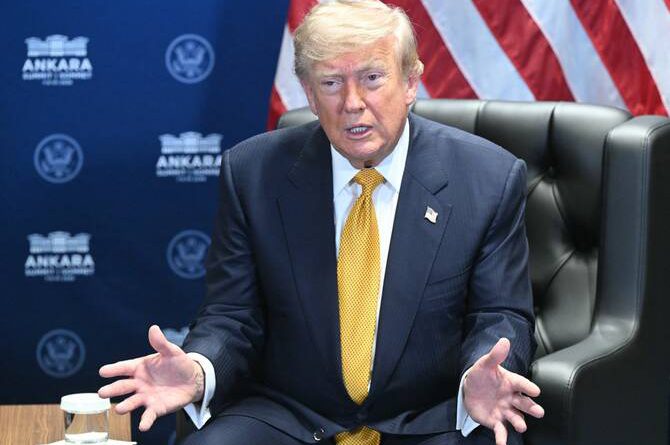
Speaking alongside NATO Secretary General Mark Rutte ahead of a NATO summit in Ankara, Trump said the memorandum of understanding reached between Washington and Tehran was “over.” The arrangement, brokered by Pakistan, had established a 60-day period for negotiations toward a permanent settlement following the conflict between the two countries.
Trump’s remarks came after indirect talks between U.S. and Iranian representatives in Qatar concluded last week without any reported progress. On Tuesday, U.S. forces launched a fresh round of strikes against Iran, marking a sharp escalation after the temporary ceasefire framework failed to produce a lasting agreement.
“To me, I think it’s over. I don’t want to deal with them,” Trump said. He also described Iran’s leadership in highly critical terms, adding that continuing negotiations would be “a waste of time.”
The latest military action coincided with additional economic pressure from Washington. The United States on Tuesday revoked a Treasury license that had temporarily allowed Iran to export crude oil and petrochemical products under the terms of the interim agreement.
The general license, issued on June 22 by the U.S. Treasury, had authorized transactions involving Iranian crude oil and petroleum products until Aug. 21 as part of the ceasefire arrangement. Following its revocation, Washington instructed parties involved in such transactions to conclude their activities by July 17.
The interim accord had been designed to create diplomatic space for broader negotiations between the two countries. However, the collapse of talks in Qatar and the renewed exchange of military measures have effectively brought that process to a halt.
NATO Secretary General Mark Rutte defended the U.S. military response, describing the overnight strikes as “absolutely necessary.” He said the United States had responded after what he characterized as Iranian violations of the ceasefire, including attacks on ships in the Strait of Hormuz.
Rutte told reporters that allies were expected to reaffirm their position that Iran should fully reopen the Strait of Hormuz, one of the world’s most strategically important maritime routes for global energy supplies.
The Strait of Hormuz has remained a focal point of international concern amid the latest confrontation, with attacks on commercial shipping heightening fears of disruption to global oil markets. The renewed instability has also prompted Washington to combine military operations with tighter economic restrictions on Tehran.
Trump’s comments underscore the rapid deterioration of the diplomatic framework established only weeks earlier. With negotiations stalled, sanctions tightened and military operations resumed, prospects for reviving the interim agreement appear increasingly uncertain.
The developments unfolded as NATO leaders gathered in Ankara for a summit expected to address a range of security issues, including the conflict involving Iran and its implications for regional stability and international shipping.