
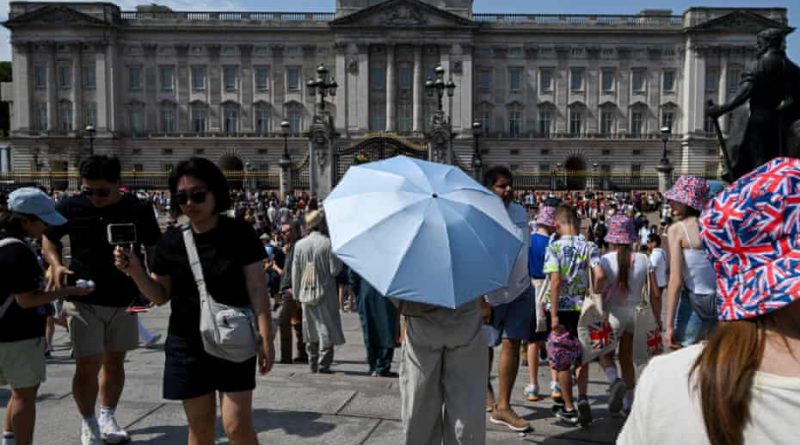
Buckingham Palace to Remain Britain’s Ceremonial Royal Hub as King Charles Stays at Clarence House
“The palace will continue to serve as the centre of royal duties, while expanded public access is expected to become a defining feature of its future role.”
Buckingham Palace will continue to function as the principal venue for Britain’s ceremonial monarchy even after the completion of its extensive refurbishment programme, with King Charles III and Queen Camilla expected to remain at Clarence House rather than make the palace their permanent London residence. Palace officials have indicated that the decision will not alter the institution’s day-to-day operations, as Buckingham Palace will remain the primary location for official royal engagements, state ceremonies and administrative functions.
The palace has been undergoing a decade-long programme of infrastructure modernisation designed to replace outdated mechanical and electrical systems dating largely from the 1950s. The project, scheduled for completion next year, aims to ensure that the historic building remains operational for decades while improving safety, efficiency and accessibility.
According to palace officials, the completion of the refurbishment will not change Buckingham Palace’s role as the headquarters of the British monarchy. State banquets, diplomatic receptions, investiture ceremonies, audiences with senior political leaders, honours presentations and the annual royal garden parties will continue to take place at the palace regardless of where the King and Queen choose to reside.
Officials also stressed that the Sovereign’s Flag will continue to fly above Buckingham Palace whenever the King is present in London, maintaining the arrangement that has been in place since Charles succeeded to the throne. During the renovation period, the monarch has frequently travelled between Clarence House and Buckingham Palace for official engagements, a practice expected to continue after construction work concludes.
Palace aides said Buckingham Palace will remain a fully operational centre of royal administration, with offices, ceremonial staff and support services continuing to function throughout the complex. The building accommodates a substantial administrative workforce alongside its ceremonial spaces. According to information published on the official royal website, Buckingham Palace contains 775 rooms, including 92 offices and 188 staff bedrooms, reflecting its dual role as both a working institution and a historic royal property.
The decision for Charles and Camilla to remain at Clarence House is understood to reflect practical rather than ceremonial considerations. Clarence House, which previously served as the London residence of Queen Elizabeth The Queen Mother, offers a considerably smaller and more private living environment than Buckingham Palace while remaining close to the monarch’s principal workplace.
Officials familiar with the arrangements indicated that the King and Queen would still be able to use refurbished private rooms within Buckingham Palace during official engagements if required, including for changing clothes, taking short breaks or preparing for state functions held there.
The continued use of Clarence House also avoids the logistical complexities associated with relocating an entire royal household. Such a move would involve administrative planning, staffing adjustments and additional expenditure. Palace officials have emphasised that maintaining existing residential arrangements aligns with broader efforts to demonstrate careful management of public resources.
The King’s age and ongoing cancer treatment have also been cited by palace sources as practical considerations in avoiding the disruption that a permanent move would require. Charles is 77, while Queen Camilla is 78. Palace officials have not suggested that these factors affect the King’s ability to carry out official duties, which continue to be undertaken according to his public schedule.
The decision also supports plans to increase public access to Buckingham Palace following completion of the refurbishment programme. Palace officials argue that greater visitor access represents an important public benefit arising from the significant investment made in restoring the historic building.
Buckingham Palace remains one of the United Kingdom’s most visited heritage attractions, drawing large numbers of domestic and international tourists each year. Visitors currently have access to a range of guided experiences, including tours of the recently renovated East Wing, where premium guided visits are priced at £93.
According to palace figures, visitor demand has remained strong throughout the renovation programme. The Royal Collection Trust, which manages the Royal Collection on behalf of the nation and uses visitor income to support the care of the collection and official royal residences, reported a record 683,000 visits during the 2024-25 financial year.
Officials are examining options to expand visitor access even further once construction work concludes. Seasonal public openings, traditionally held during July through September while the royal family spends time at Balmoral, could be extended to accommodate increased demand.
Additional areas of Buckingham Palace may also become accessible to visitors without affecting royal operations because the King and Queen will not be living permanently within the building. Palace planners believe this arrangement could improve both visitor circulation and security management while allowing more of the historic interiors to be incorporated into public tours.
Among the spaces expected to assume a broader public role is the Consort’s Library, originally associated with Prince Albert. Palace officials said the room will serve multiple purposes, functioning as an official audience room where Queen Camilla can receive guests while also supporting educational activities and becoming part of the visitor route through Buckingham Palace.
The refurbishment project has consistently been presented as an investment intended to preserve one of Britain’s most significant historic buildings while ensuring that it remains capable of supporting the modern operational requirements of the monarchy. Replacing ageing utilities, improving fire safety systems and upgrading infrastructure have formed central objectives of the programme throughout its ten-year duration.
Plans are also under consideration to make more efficient use of office accommodation across the royal estate. Palace officials said improved space planning at Buckingham Palace could enable administrative teams currently based at St James’s Palace to relocate. Such a move would free additional accommodation at St James’s Palace for potential commercial leasing, creating an opportunity to generate additional income from the royal estate while consolidating administrative functions within Buckingham Palace.
The arrangements underline Buckingham Palace’s continuing role as the institutional centre of the British monarchy rather than solely a royal residence. While Charles and Camilla are expected to remain at Clarence House as their London home, Buckingham Palace will continue to host the ceremonial, constitutional and diplomatic responsibilities associated with the Crown, alongside expanded access for members of the public as restoration work reaches completion.