Nottingham Maternity Review Exposes Years of Alleged Failures as Families Seek Accountability
“Things that you think are unthinkable, that you think are ludicrous, they can’t possibly do that — well, we know that they have.”
A major review into maternity and neonatal care in Nottingham has brought renewed attention to allegations of preventable harm, delayed treatment and systemic failures raised by hundreds of families over more than a decade.
The review, described as one of the most significant examinations of maternity services in the history of Britain’s National Health Service, has become a focal point for families who say avoidable mistakes changed or ended lives. Their accounts reveal concerns ranging from surgical errors and inadequate clinical oversight to failures in recognizing deteriorating conditions in newborn babies.
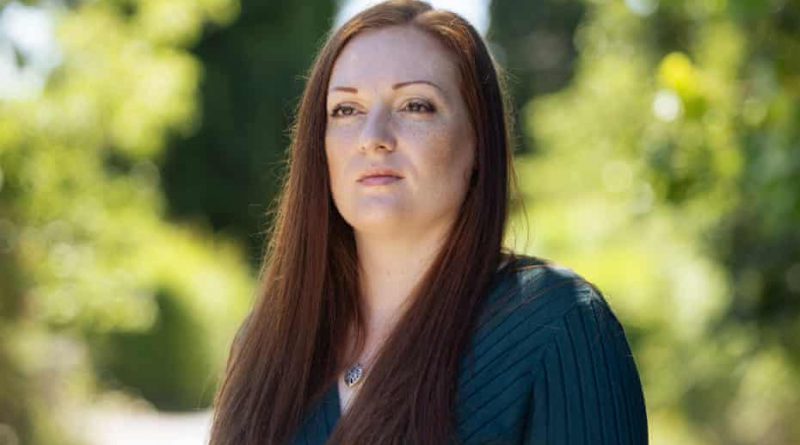
Among those awaiting the findings is Felicity Benyon, whose experience during the birth of her son in 2015 resulted in life-altering complications that she says could have been prevented.
Benyon was classified as a high-risk patient because of placenta accreta, a serious pregnancy condition in which the placenta grows too deeply into the uterine wall. Such cases typically require extensive planning and the involvement of multiple medical specialties due to the elevated risk of severe bleeding and surgical complications.
According to Benyon, those safeguards were not followed during her delivery.
She said she later learned that a student doctor had been involved in a procedure that she believes should have been overseen by a specialist multidisciplinary team. During surgery, her bladder was removed.
Initially, she was informed that the placenta accreta had completely enveloped the bladder, making its removal unavoidable. At the time, Benyon said she focused on the survival of both herself and her child.
“I was just so happy my baby was alive, so happy that I’d survived because they made me think they had saved the day,” she said.
Subsequent investigations, however, reached a different conclusion. Benyon said a review determined that the placenta accreta had not invaded the bladder and that the organ had been healthy before surgery.
The findings transformed her understanding of what had happened during the birth. Instead of recovering from what should have been a hysterectomy, she now faces permanent health complications and ongoing medical treatment.
“It should have just been a hysterectomy and then home, instead of living with lifelong complications,” she said.
The experience has fundamentally altered her relationship with healthcare institutions. Regular hospital appointments remain part of her life, but she says trust has been replaced by anxiety.
“I don’t feel safe in hospitals,” Benyon said. “But that’s the place you’re supposed to feel safe because it’s where you’re at your most vulnerable.”
For Benyon and many other families involved in the review, the investigation represents years of campaigning for answers. They argue that many of the incidents under examination were not unavoidable medical tragedies but failures occurring despite the existence of protocols designed to prevent them.
Another family seeking accountability is that of Caitlin Stringer, who was born prematurely at Nottingham City Hospital in 2021.
According to her parents, Caitlin initially responded well to treatment after birth and was removed from a ventilator relatively quickly. However, concerns began to emerge in the weeks that followed as her condition deteriorated.
Her mother, Emily Stringer, said she repeatedly alerted medical staff to warning signs consistent with necrotising enterocolitis, commonly known as NEC, a severe gastrointestinal emergency affecting newborn infants that can rapidly become life-threatening.
Stringer said her daughter’s abdomen was becoming increasingly swollen, she was unable to tolerate feeds, her breathing was worsening and she appeared increasingly lethargic.
“We’d been taking photos and showing them to staff of Caitlin’s abdomen getting bigger and bigger,” Stringer said.
According to the family, clinicians addressed each symptom individually but failed to recognize the broader pattern of deterioration.
“No one was either able or willing to join the big picture together and think this is a deteriorating baby,” Stringer said.
Caitlin eventually collapsed and required ventilation. Her condition continued to worsen, and surgeons later removed more than half of her bowel after sections had ruptured and died.
Weeks later, brain imaging revealed what her family described as a devastating injury.
An external review commissioned by the hospital trust subsequently identified an X-ray taken approximately 15 hours before Caitlin’s collapse that diagnosed NEC. According to the review’s findings, antibiotics should have been administered within an hour of the diagnosis.
Stringer said that treatment was not provided within that timeframe.
The consequences have been profound. Caitlin now lives with cerebral palsy and multiple complex medical conditions. Her family says she has experienced repeated respiratory arrests and frequent admissions to intensive care.
“Now she’s expected to die in childhood,” Stringer said.
The review’s findings, while validating concerns raised by the family, have provided little comfort.
“This review feels like the validation that I never wanted,” she said. “It’s great that people will understand the truth and the scale of what’s happened to thousands of families in Nottingham, but heartbreaking that they have to.”
The investigation has also examined cases involving infant deaths.
Among them is the case of Quinn Parker, who died at Nottingham City Hospital in 2021, just 36 hours after birth.
According to his parents, Emmie Studencki attended hospital four times during the later stages of pregnancy because of bleeding. The family alleges that requests for a caesarean section were not acted upon despite repeated concerns.
Quinn’s death has become one of the many cases cited by families who argue that warning signs were either missed or not adequately addressed.
Collectively, the accounts emerging from the review have raised broader questions about patient safety, clinical decision-making and accountability within maternity and neonatal services. Families involved in the investigation say the issue extends beyond individual errors and points instead to recurring shortcomings in communication, escalation procedures and adherence to established clinical protocols.
As the review continues, many relatives say their primary objective is not only accountability for past events but assurance that lessons will be implemented across the healthcare system. For them, the investigation represents an opportunity to examine whether existing safeguards functioned as intended and why, in numerous cases, concerns raised by patients and families were not acted upon before irreversible harm occurred.