High Prices, Political Tensions and Limited Access Temper World Cup Excitement Across North America
“For many supporters, the biggest frustration is not that the World Cup is coming to their city, but that it feels increasingly out of reach.”
With one year remaining before the 2026 FIFA World Cup reaches its final stages across the United States, Canada and Mexico, many football supporters living in host cities say anticipation for the tournament is being overshadowed by concerns over ticket prices, political tensions, infrastructure challenges and what they describe as the growing commercialization of the sport.
Interviews with fans across North America reveal a complex picture of public sentiment toward the first 48-team World Cup, which will be jointly hosted by three countries and feature a record number of participating nations.
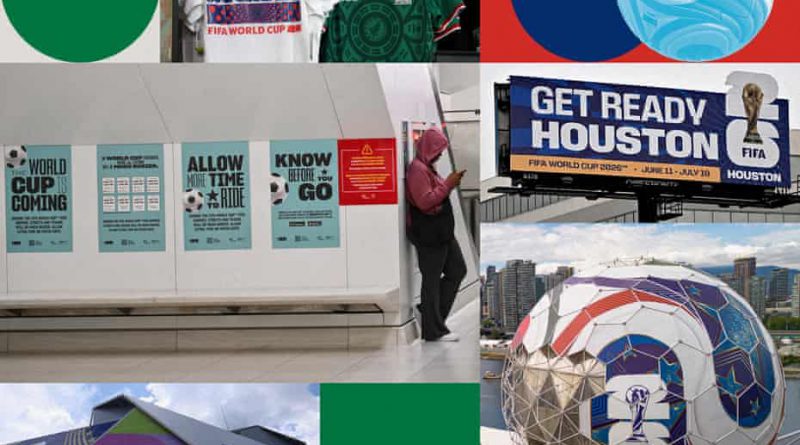
While many supporters remain enthusiastic about welcoming the world’s largest football tournament to their home cities, numerous fans expressed frustration that attending matches may be financially out of reach for ordinary spectators.In Houston, longtime resident Ian Sherman said the prospect of hosting seven World Cup matches initially generated significant excitement.
However, he said that enthusiasm has diminished as ticket prices have become clearer and access to seats has proven difficult.Sherman pointed to prices exceeding $200 for upper-level seats at some group-stage matches and said many fans may ultimately be forced to rely on secondary markets if they hope to attend games involving major national teams.
Although football’s popularity has grown substantially in the United States over the past two decades, he said Houston remains primarily focused on American football, baseball and basketball.He also raised concerns about the city’s ability to absorb large numbers of visitors, citing traffic congestion and infrastructure pressures that could emerge during the tournament.
In Kansas City, local resident Parker McDowell said pride in hosting the World Cup has been accompanied by concern over broader political and security issues. While welcoming the city’s role as a base camp for several national teams, including England, Argentina, Algeria and the Netherlands, he said international visitors may be surprised by the region’s dependence on automobiles and limited public transportation options.
He also cited worries about global events, ticket affordability and public safety, including concerns surrounding gun violence in American cities.Political concerns emerged repeatedly among supporters interviewed across host locations. Several fans questioned whether current geopolitical developments align with the tournament’s traditional image as an event intended to unite nations through sport.
One supporter argued that restrictions affecting citizens of some countries and ongoing international conflicts have complicated perceptions of the tournament’s inclusiveness. Others criticized FIFA President Gianni Infantino and football’s governing body more broadly, claiming commercial and political considerations have increasingly overshadowed supporters’ interests.
In Mexico City, Francisco Fontano Patán described the tournament as a missed opportunity for urban development despite the city’s status as one of the competition’s flagship venues.Patán said local authorities had an opportunity to improve long-term transportation infrastructure around the city’s southern districts, including areas surrounding the iconic stadium formerly known as Azteca Stadium.
Instead, he said residents have seen only limited improvements that are unlikely to provide lasting benefits after the tournament concludes.He also argued that rising costs have distanced the event from ordinary citizens, leaving many supporters unable to attend matches in person.
Although public viewing events and fan festivals are expected across Mexico, Patán said those experiences are not significantly different from previous tournaments hosted elsewhere and do not compensate for the inability of many local residents to access stadium tickets.
Similar concerns were voiced in Monterrey, another Mexican host city. Resident Jose Galindo said excitement remains high because of the World Cup’s global significance, but acknowledged that many people cannot afford tickets or official merchandise.Galindo said the tournament increasingly feels like a premium product aimed at wealthier consumers rather than ordinary football supporters.
Nevertheless, he expects public viewing areas and informal gatherings to help create a festive atmosphere as the competition approaches.In Miami, Geoff Willerton said he remains excited about the tournament but does not personally know anyone planning to attend matches because of the costs involved.
While fan zones may offer an alternative, he said local awareness and excitement currently appear limited.Across several American host cities, supporters described a notable absence of visible World Cup enthusiasm despite the tournament’s proximity.
In New York, one resident suggested the event could struggle to compete for public attention in a city accustomed to hosting major international gatherings. Although the World Cup final will take place at MetLife Stadium in New Jersey, he said many New Yorkers remain largely unaware of the event’s significance.Philadelphia resident James Powell said his own enthusiasm has declined steadily as ticket prices increased and concerns about FIFA’s governance intensified.
While he originally planned to attend matches, he now expects to watch from outside the stadium unless costs become more manageable.Powell said discussion of the World Cup remains relatively uncommon in Philadelphia despite the city’s role as a host venue.
Among the strongest criticism came from supporters in Northern California, where fans expressed disappointment over both ticket prices and the perceived lack of planning around public celebrations.San Francisco resident Ali said many football supporters had expected a festival atmosphere that would bring together fans from around the world.
Instead, uncertainty surrounding fan zones and the cost of attending matches has left many feeling excluded from an event taking place in their own region.Ali criticized organizers for prioritizing sponsors, corporate guests and VIP experiences over ordinary supporters.
He also questioned whether event planners fully understand the cultural significance of the World Cup compared with other major sporting events in North America.Despite widespread criticism, several supporters expressed optimism that local communities will ultimately embrace the tournament as kickoff approaches.
In Seattle, Roger Paul Probert-Baker described strong enthusiasm among residents and pointed to the city’s long football tradition, including support for the local club team and extensive experience hosting major sporting events.Probert-Baker said his family plans to participate in fan activities throughout the tournament and noted that preparations for security and crowd management are already underway.
He expressed confidence that Seattle will provide a welcoming environment for international visitors.Toronto residents also anticipate a vibrant atmosphere. Supporters there highlighted the city’s multicultural population and history of large public celebrations during previous World Cups.
Fans from numerous national backgrounds are expected to gather in neighborhoods, restaurants and public spaces to support their respective teams.
While enthusiasm varies across host cities, a common theme emerged from conversations with supporters throughout North America: the belief that the World Cup remains one of sport’s most powerful events, even as concerns over affordability, accessibility and governance continue to shape expectations.
For many fans, the challenge is not a lack of interest in football or the tournament itself. Rather, it is the perception that the event has become increasingly difficult for ordinary supporters to experience firsthand, despite being staged in their own communities.