U.S. Freezes Taiwan Arms Transfers as Iran Campaign Drains Munitions
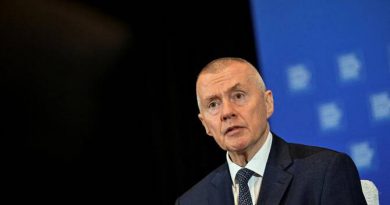
Washington-The United States has temporarily paused arms sales to Taiwan to ensure adequate munitions supplies for ongoing military operations against Iran, Acting U.S. Navy Secretary Hung Cao said on Thursday, highlighting how the conflict in the Middle East is influencing Washington’s defense priorities.
Speaking at a congressional hearing, Cao said foreign military sales to Taiwan had been put on hold while the Pentagon assessed weapons inventories needed for Operation Epic Fury, the U.S. campaign targeting Iran. He said the United States had sufficient stocks but was taking steps to ensure military requirements were fully met before resuming transfers.
“Right now we’re doing a pause in order to make sure we have the munitions we need for Epic Fury,” Cao said, adding that foreign military sales would continue once the administration determined it was appropriate.
The remarks mark the clearest public indication yet that the Iran conflict has affected the timing of U.S. weapons deliveries to Taiwan, which has sought to strengthen its defenses amid rising military pressure from China.
The U.S. State Department and the Pentagon did not immediately comment on Cao’s statement.
Taiwan’s Presidential Office pushed back against suggestions that approved sales were being altered. Presidential Office spokeswoman Karen Kuo said on Friday that Taipei had received no indication Washington intended to revise the arms package.
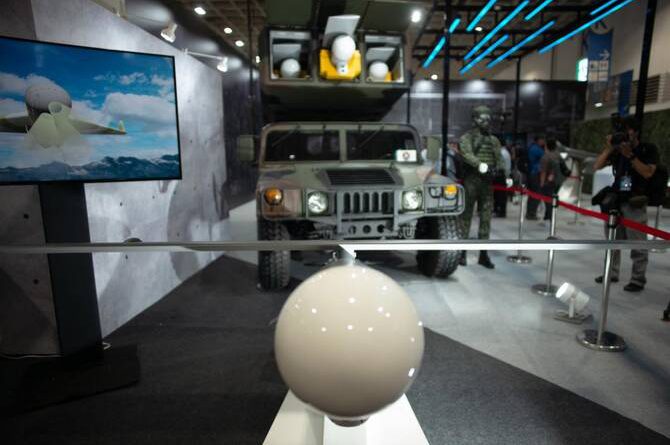
The reported delay centers on approximately $14 billion in weapons purchases sought by Taiwan, though U.S. officials have not detailed which systems could be affected by the pause.
The development comes as questions persist over President Donald Trump’s approach to Taiwan. While the United States formally recognizes Beijing rather than Taipei, U.S. law requires Washington to provide the self-governed island with defensive weapons.
China, which views Taiwan as part of its territory, has repeatedly opposed U.S. arms sales to the island. A Chinese Foreign Ministry spokesman said on Friday that Beijing’s opposition to such sales remained “consistent, clear and firm.”
Trump also signaled a potential shift in approach ahead of a recent visit to China, saying he would discuss Taiwan arms sales with Chinese President Xi Jinping. Previous U.S. administrations had maintained that decisions on arms transfers to Taiwan were a matter between Washington and Taipei and not subject to consultation with Beijing.
Following the trip, Trump said he had made no commitments to Xi regarding Taiwan and would decide on the proposed sales within a relatively short period.
The pause underscores the competing demands facing U.S. defense planners as Washington balances support for partners in the Indo-Pacific with military commitments stemming from the Iran conflict.