G7 Pushes Diplomatic Track on Iran Crisis
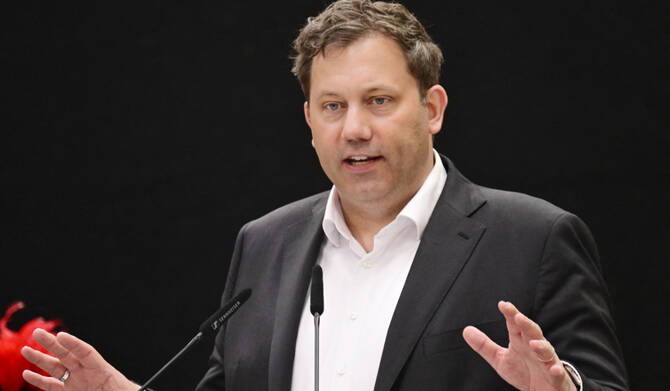
Berlin-— German Finance Minister Lars Klingbeil said on Monday that the Group of Seven nations was the appropriate forum to discuss efforts to end the conflict involving Iran, warning that instability in the Middle East and disruption in the Strait of Hormuz posed a major risk to the global economy.
Klingbeil is due to travel to Paris for a meeting of G7 finance ministers and central bank governors scheduled for Monday and Tuesday, where the Iran conflict and its economic implications are expected to feature prominently on the agenda.
“The G7 is the right place to discuss how we can help bring about a lasting end to the war in Iran,” Klingbeil said in remarks released before the meeting. He added that Germany and its European partners remained committed to cooperation, open trade and rules-based international partnerships.
The minister said recent geopolitical and economic shocks had reinforced the need for Germany and Europe to strengthen resilience in critical sectors including raw materials, energy supplies and industrial supply chains.
The conflict has heightened concerns over shipping through the Strait of Hormuz, one of the world’s most strategically important oil transit routes. Any prolonged disruption could affect global energy markets and trade flows.
Klingbeil also said finance ministers from Brazil, India, South Korea and Kenya would participate in discussions in Paris as part of a broader effort to deepen international economic partnerships beyond the G7 bloc.
He said Germany would continue supporting Ukraine despite mounting tensions in the Middle East and would not allow the Iran crisis to divert attention from Russia’s war in Ukraine.
Klingbeil is expected to sign a double taxation agreement with Ukrainian Finance Minister Sergii Marchenko during the Paris meetings, a step he said would strengthen economic cooperation and provide greater legal certainty for businesses operating between the two countries.