Some Brides Reject Expensive Wedding Beauty Trends as Pressure Around ‘Perfect’ Appearance Intensifies
“My husband chose to marry me. Why would I need to change?”
As weddings increasingly become social media spectacles shaped by beauty influencers, cosmetic treatments and wellness marketing, some brides are pushing back against mounting pressure to undergo expensive physical transformations before their wedding day.
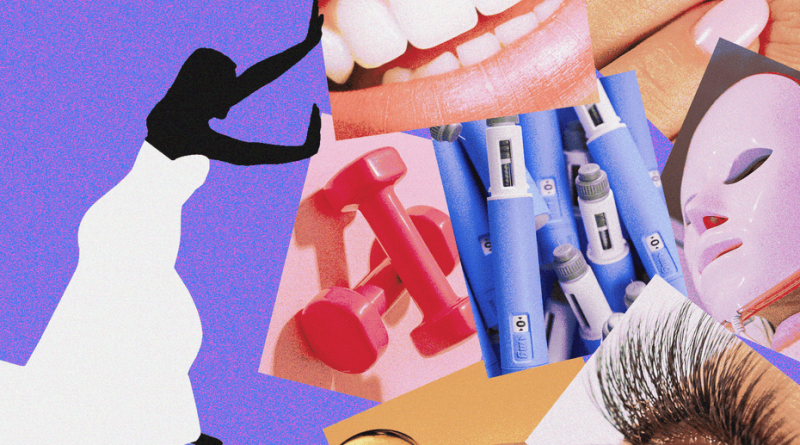
The shift comes amid growing popularity of cosmetic injectables, laser procedures, weight-loss drugs and intensive skincare regimens that have expanded the modern bridal industry far beyond dresses, venues and photography.
Brides preparing for weddings are now frequently targeted with advertising for Botox, microneedling, body sculpting, infrared saunas, teeth whitening and medically supervised weight-loss programs.For many women, however, the escalating expectations surrounding bridal appearance are producing fatigue rather than aspiration.
Writer Jenny Singer described feeling immediate pressure to imagine a transformed version of herself after becoming engaged. Social media algorithms quickly filled her feeds with recommendations for restrictive diets, intensive exercise routines, cosmetic procedures and expensive beauty treatments marketed specifically toward brides.
One woman Singer referenced in her reporting said she spent approximately $30,000 on appearance-related preparations ahead of her wedding, describing the process as treating her body “like a design project.”Industry pricing reflects how quickly costs can escalate.
In San Francisco, Singer said a local medical spa quoted $550 for a single BroadBand Light laser session and $1,200 for microneedling treatments, which are commonly sold in multi-session packages.The growth of appearance-focused wedding marketing coincides with wider changes in the beauty and wellness economy.
Cosmetic injectables and GLP-1 weight-loss medications such as Ozempic have become increasingly mainstream in online beauty culture, reshaping expectations around body size and facial appearance.
According to a survey conducted by wedding planning company Zola, nearly 80% of couples reported feeling pressure to alter their appearance before their wedding. Respondents said they spent an average of $1,100 on beauty and wellness-related preparation.
Women interviewed about the phenomenon described encountering explicit social pressure around weight loss and cosmetic enhancement.Jackie Wegner, who married in Cape Cod in 2025, said acquaintances asked whether she intended to use GLP-1 weight-loss drugs before her wedding.
Wegner, who said she had previously struggled with an eating disorder, chose not to pursue weight loss or major cosmetic changes.“My husband chose to marry me,” she said. “Nobody was coming to my wedding because they wanted to see if I had lost weight.”
Natalie Craig said she attempted to avoid appearance-focused social media content but found wedding-related algorithms difficult to escape after becoming engaged. She described online videos featuring brides discussing extreme thinness goals ahead of wedding ceremonies.
Craig also said she encountered body-focused language while shopping for wedding dresses at boutiques specializing in plus-size bridal wear. She recalled attendants emphasizing slimming effects while helping her try on gowns.
“The rise of weight-loss drugs has made this rhetoric harder to avoid,” she said.Researchers and critics of the beauty industry say weddings have historically functioned as highly gendered events in which women face amplified scrutiny regarding physical appearance. Analysts argue that digital platforms have intensified those pressures by creating continuous exposure to aspirational beauty imagery and targeted advertising.
Writer and cultural critic Helen Grace described the phenomenon as part of what she calls the “insecurity industry,” a commercial system built around convincing women that their appearance requires constant improvement.
“Advertisers have far more access to people these days,” Grace said, arguing that social media platforms expose users to appearance-based messaging throughout the day.The pressure is not confined to the United States.
Julia van der Hoeven said she encountered large volumes of cosmetic procedure content while planning her wedding near Melbourne, Australia. Instead of décor inspiration or logistical advice, she said many videos focused on injectable treatments and aesthetic enhancements.
“You feel like you have to do it, too,” she said.Philosopher Heather Widdows argued in her 2018 book Perfect Me that beauty standards increasingly function as moral expectations rather than merely aesthetic preferences.
According to Widdows, physical appearance in modern consumer culture often becomes associated with self-discipline, worthiness and social value.Critics say bridal marketing particularly amplifies those ideas because weddings are culturally framed as singular, heavily photographed events with long-term emotional significance.
The combination of photography, video documentation and social media sharing can intensify anxiety about physical appearance.At the same time, some brides say they are intentionally resisting those expectations by limiting spending on cosmetic procedures and declining pressure to pursue dramatic transformations.
Singer said she increasingly questioned who intensive wedding beauty routines were actually intended to satisfy.
While acknowledging the appeal of wanting to look glamorous in wedding photographs, she described growing skepticism toward the endless cycle of treatments, products and body modification marketed to brides.
For some women, rejecting expensive “bridal glow-up” culture is less a political statement than a practical response to exhaustion, financial strain and unrealistic expectations.
“It might actually be easier to accept myself as I am,” Singer wrote.