Nigeria, Morocco Push Landmark Atlantic Gas Corridor Pact
Abuja-Nigeria and Morocco are targeting the fourth quarter of 2026 to sign an intergovernmental agreement advancing the proposed $25 billion Nigeria-Morocco Gas Pipeline, a transcontinental energy project aimed at boosting regional supply and expanding exports to Europe, Nigeria’s foreign ministry said.
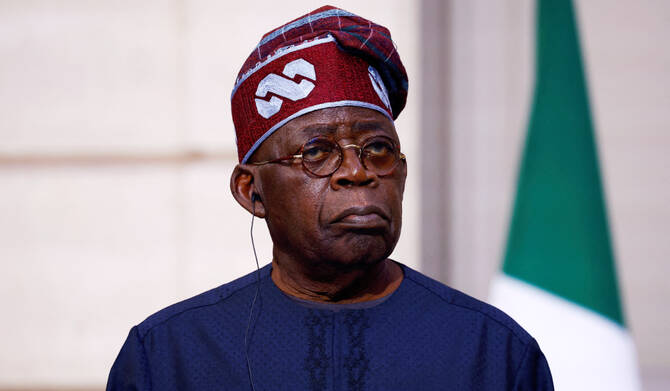
The planned accord, expected to be signed by Nigerian President Bola Tinubu and Mohammed VI, follows the completion of preliminary technical studies for the project, also known as the African Atlantic Gas Pipeline.
Nigeria’s foreign ministry said the development was discussed during a telephone conversation last Friday between Foreign Minister Bianca Odumegwu-Ojukwu and Moroccan Foreign Minister Nasser Bourita.
The pipeline project, first agreed roughly a decade ago, is designed to span about 6,900 kilometers along a hybrid offshore and onshore route linking Nigeria to Morocco through several West African countries.
Amina Benkhadra, head of Morocco’s state hydrocarbons and mining agency ONHYM, told Reuters last month that the project would have a maximum annual capacity of 30 billion cubic meters of gas, including around 15 billion cubic meters intended for Morocco’s domestic market and onward exports to Europe.
The initiative forms part of broader efforts by African producers to strengthen regional energy integration and capitalize on European demand for alternative gas supplies following disruptions to global energy markets in recent years.
Nigeria, Africa’s largest natural gas producer, has long sought to expand export infrastructure beyond existing liquefied natural gas facilities, while Morocco has positioned itself as a strategic energy transit hub between Africa and Europe.
The two governments also discussed expanding cooperation in fertilizer production and distribution, highlighting the sector’s role in strengthening food security across Africa, according to the Nigerian foreign ministry.
Both sides further emphasized reviving the Nigeria-Morocco Business Council to encourage trade and investment under the framework of the African Continental Free Trade Area and an existing bilateral double taxation treaty.