
US offers $10 million reward for Iraqi militia leader amid rising regional tensions
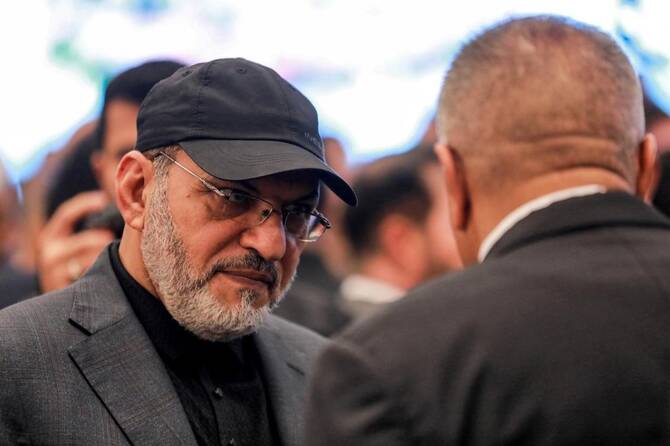
Washington — The US State Department said on Thursday it is offering a reward of up to $10 million for information leading to the identification or location of Hashim Finyan Rahim Al-Saraji, head of the Iran-backed armed group Kataeb Sayyid Al-Shuhada.
In a social media statement, U.S. officials said they were seeking information on Al-Saraji, also known as Abu Alaa Al-Walai, citing his leadership of the group, which Washington has designated as a terrorist organization.
Authorities said the group has carried out attacks against Iraqi civilians, U.S. diplomatic facilities, and American military personnel in Iraq and Syria.The department said individuals providing credible information could be eligible for relocation in addition to the financial reward, as part of efforts to disrupt the activities of Iran-aligned militias operating in the region.
Kataeb Sayyid Al-Shuhada has been linked to attacks targeting the U.S. embassy in Baghdad, facilities at the capital’s international airport, and oil infrastructure operated by foreign companies. The group operates within Iraq’s broader network of armed factions aligned with Tehran.
Al-Saraji is also reported to hold a position within Iraq’s Coordination Framework, a Shiite political alliance that commands a parliamentary majority, underscoring the overlap between armed groups and political structures in the country.
The move comes as Iraq faces renewed instability linked to the wider regional conflict that escalated following U.S. and Israeli strikes on Iran in late February, drawing in Tehran-backed factions across the Middle East.
Earlier this month, Washington announced a similar reward targeting a senior figure in Kataeb Hezbollah, another powerful Iran-aligned militia, following the temporary abduction of a U.S. journalist.
U.S. officials have also increased pressure on the Iraqi government to curb the influence of such groups, with reports indicating the suspension of certain financial transfers and security-related funding as part of broader policy measures.

