Trump rejects Iran talks, warns war may end with leadership wiped out
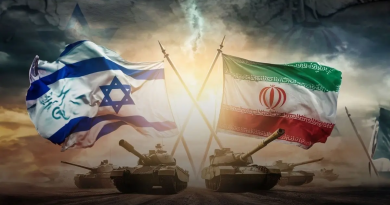
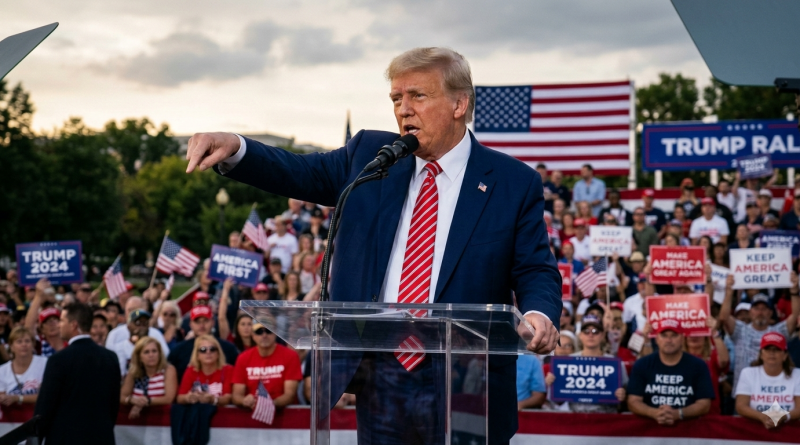
BEIRUT/MIAMI/TEL AVIV/DUBAI, March 8 (Reuters) – U.S. President Donald Trump said on Saturday he was not interested in negotiating with Iran and suggested the conflict could end only if Tehran no longer had a functioning military or leadership, as the U.S.-Israeli campaign against Iran entered its second week.Speaking to reporters aboard Air Force One, Trump said the ongoing air campaign could render negotiations irrelevant if Iran’s leadership and military structures were destroyed.“At some point, I don’t think there will be anybody left maybe to say ‘We surrender,’” Trump said, referring to the possibility that Iranian leaders could be killed during the conflict.The remarks came as Israel and Iran exchanged fresh attacks on Saturday, deepening a regional confrontation that has spread across several countries in the Middle East.
Iranian President Masoud Pezeshkian apologised to neighbouring states affected by Iranian strikes on U.S. military facilities in the region, urging them not to participate in the U.S.-Israeli military campaign against Iran.“I personally apologize to neighbouring countries that were affected by Iran’s actions,” Pezeshkian said, according to remarks reported on Saturday.He rejected Trump’s demand for Iran’s unconditional surrender, describing it as unrealistic. Pezeshkian said Iran’s temporary leadership council had approved suspending attacks on nearby countries unless military strikes against Iran were launched from their territory.The comments drew criticism from hardline factions within Iran, prompting Pezeshkian’s office to clarify that Iran’s military would respond decisively to any attacks originating from U.S. bases in the region.Ali Larijani, secretary of Iran’s Supreme National Security Council, said on state television there was no division among Iranian officials over how the war was being managed.The U.S. State Department did not immediately respond to requests for comment.
The conflict has intensified tensions across the Gulf, where several countries host U.S. military installations.Saudi Arabia warned Tehran that continued attacks on the kingdom or its energy infrastructure could prompt retaliation, four people familiar with the matter told Reuters.The governments of Saudi Arabia, Kuwait and the United Arab Emirates reported Iranian drone strikes on Saturday and early Sunday. Officials said the attacks caused varying degrees of damage but no fatalities.Iran’s Revolutionary Guards also targeted U.S. forces at a military base in Bahrain, Iranian state media reported.The escalating exchanges have raised concerns among Gulf states that the conflict could broaden further across the region, threatening energy infrastructure and key shipping routes.Global impact and security concernsThe war has also triggered wider international repercussions. Rising tensions in the region have contributed to higher energy prices and disrupted global logistics and commercial activity tied to Middle Eastern shipping and oil production.In Europe, a blast struck the U.S. embassy in Oslo, though authorities said the cause remained unknown.As military operations continued, governments across the region have sought to balance security concerns with efforts to prevent the conflict from expanding into a broader regional war involving additional states and armed groups.