Pakistan pitches mediation as Iran warns U.S. against ground offensive
Tel Aviv — Pakistan said it is preparing to host talks aimed at ending the Iran conflict in the coming days, while Iran warned it would respond if the United States deploys ground forces, underscoring rising tensions as the war enters its second month.
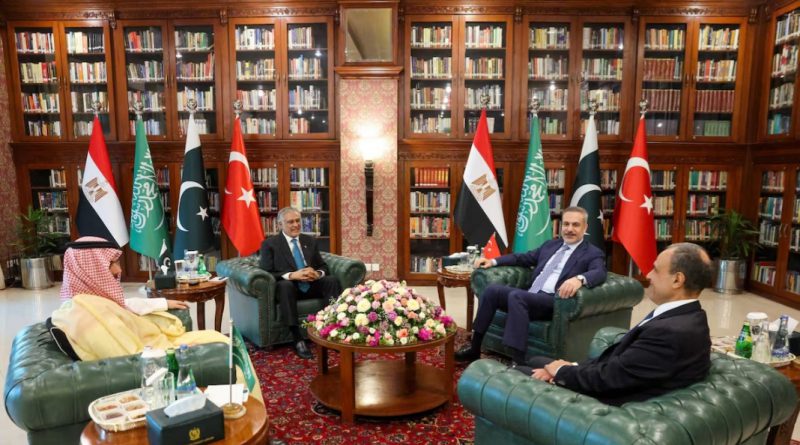
Ishaq Dar said after meetings with regional counterparts that Islamabad was ready to facilitate “meaningful talks” toward a “comprehensive and lasting settlement,” including potential U.S.-Iran negotiations. It was not immediately clear whether either side had agreed to participate.
Iran’s parliament speaker Mohammad Baqer Qalibaf accused Washington of signalling openness to diplomacy while preparing for military escalation, saying Tehran would not accept demands amounting to surrender.U.S. officials have not publicly confirmed any agreement to attend talks.
Reports cited by U.S. media indicate the Pentagon is assessing options that could include ground operations, though no final decision has been announced by Donald Trump.
Discussions among regional powers, including Saudi Arabia, Turkey and Egypt, have focused on reopening the Strait of Hormuz, where Iranian restrictions on shipping since late February have disrupted global oil flows.
The conflict has driven oil prices sharply higher and intensified risks to maritime trade, with additional threats emerging near the Bab el-Mandeb Strait following attacks by Iran-aligned Houthi forces.
Israel said it carried out more than 140 air strikes across Iran over a 24-hour period, targeting missile infrastructure and other sites. Iranian media reported damage to Mehrabad airport in Tehran and a petrochemical facility in Tabriz.
Missile and drone exchanges have extended beyond Iran, with strikes reported in southern Israel near Beersheba and damage to industrial facilities in Gulf states including the United Arab Emirates and Bahrain.
The International Atomic Energy Agency said Iran’s heavy water production plant at Khondab had suffered severe damage and was no longer operational, though it contained no declared nuclear material.
The U.S. military has begun deploying thousands of Marines to the region, with the first contingent arriving aboard an amphibious assault ship, according to official statements.
Washington last week proposed a ceasefire framework that included reopening Hormuz and limiting Iran’s nuclear programme, but Tehran rejected the plan.
The conflict has triggered domestic political divisions in the United States, with protests reported in multiple cities and lawmakers offering sharply differing views on the war’s trajectory.