HDFC Bank shares tumble after chairman exit sparks governance concerns
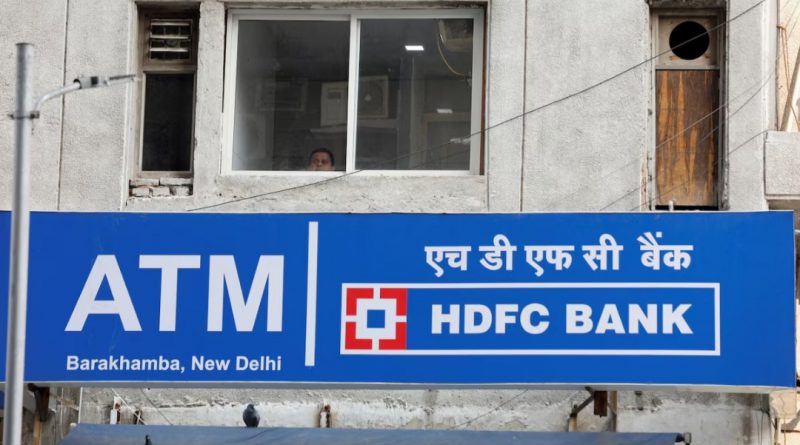
Mumbai – Shares of HDFC Bank fell sharply on Thursday after the lender said the sudden resignation of its non-executive chairman Atanu Chakraborty may have stemmed from a rift with management, though it stressed there were no material concerns regarding its operations or governance.
The stock dropped as much as 8.7% in early trade following Chakraborty’s exit, in which he cited differences over “values and ethics,” prompting investor unease about internal governance at India’s largest private sector bank.
India’s central bank said in a statement that HDFC Bank remained financially sound, describing it as a domestically systemically important institution with a professionally managed board and competent leadership.
Based on periodic supervisory assessments, the Reserve Bank of India said it had found no material concerns related to the bank’s conduct or governance, offering reassurance to markets amid the leadership change.
The RBI approved the appointment of Keki Mistry, a long-time HDFC Group executive, as interim non-executive chairman for a period of three months.
Speaking to reporters and analysts, Mistry said there had been no discussion of governance issues within the board and that he was unaware of the concerns cited in Chakraborty’s resignation letter. He added there were no indications of a power struggle within the bank.
Mistry suggested the resignation may have resulted from a relationship issue between Chakraborty and the management team that developed over time, and clarified that the exit was unrelated to the bank’s operational or financial performance.
HDFC Bank holds slightly more than a tenth of India’s total banking system deposits, making it a critical pillar of the country’s financial system. As a systemically important bank, it is required to maintain higher capital buffers due to its size and interconnectedness.
The sharp market reaction underscores investor sensitivity to leadership disruptions at major financial institutions, even as regulators and the bank sought to contain concerns about governance and stability.