Indian stocks poised for rebound as Hormuz supply hopes steady markets
New Delhi_ Indian benchmark indexes are expected to open higher on Monday after last week’s sharp selloff, as signs of easing energy supply concerns linked to disruptions in the Strait of Hormuz offered temporary relief to investors unsettled by escalating geopolitical tensions.
Futures for the GIFT Nifty were trading at 23,257 at 08:11 a.m. IST, indicating that the Nifty 50 would open above Friday’s close of 23,151.10 after posting its steepest weekly drop in years and entering a technical correction.
Supply route developments lift sentimentMarket sentiment improved after the Wall Street Journal reported that the United States was preparing to announce a coalition of countries to escort commercial vessels through the Strait of Hormuz, a maritime corridor that handles about one-fifth of global oil supply.
Additional support came after two India-flagged liquefied petroleum gas carriers Shivalik and Nanda Devi transporting roughly 92,712 metric tons of LPG successfully crossed the strait last week en route to India, easing immediate concerns about fuel supply disruptions.
India’s foreign minister Subrahmanyam Jaishankar said in an interview with the Financial Times published Sunday that he had been in discussions with Iran and that dialogue had produced some results.
However, investors remain cautious as the conflict in the Middle East continues to threaten energy flows and financial markets.
Oil and currency pressures persist as rude oil prices have stayed above $100 per barrel during the conflict, raising concerns about inflation and economic growth in India
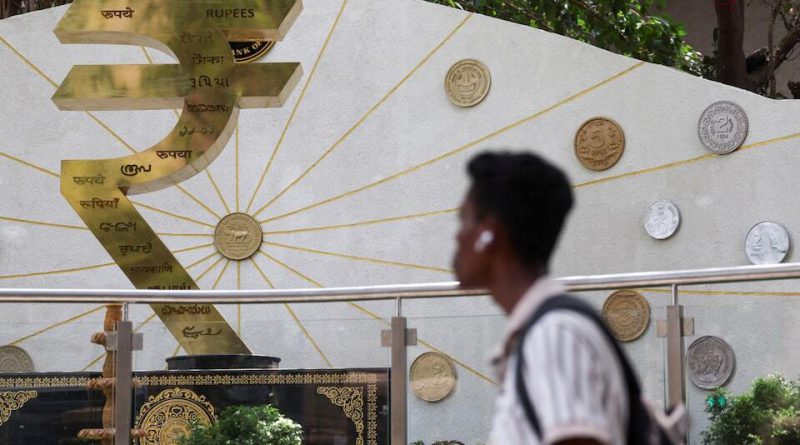
.The surge in energy costs has also pushed the Indian Rupee to record lows against the U.S. dollar, highlighting the vulnerability of the country’s energy-dependent economy.
Traffic through the Strait of Hormuz has been heavily curtailed since the United States and Israel launched a bombing campaign on Iran at the end of February, prompting Tehran to largely halt commercial shipping through the critical waterway.