Ramallah Talks Focus on Border Crossings and Infrastructure Development
Ramallah – Senior Palestinian officials held detailed discussions in Ramallah focusing on the development, management, and future readiness of key border crossings. The meeting highlighted the importance of improving facilities and administrative systems to ensure smoother movement of people and goods while supporting economic stability and public services.
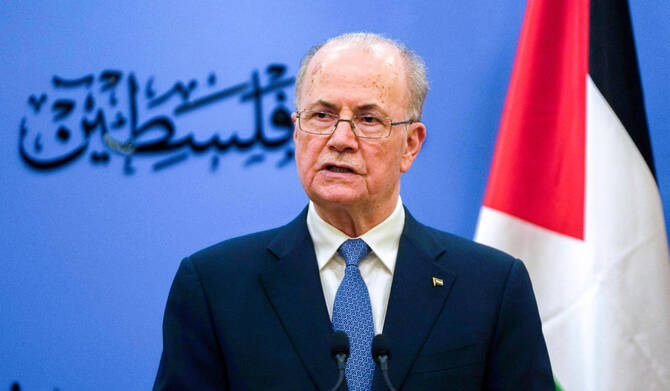
The talks were chaired by Prime Minister Mohammad Mustafa, who emphasized that border crossings play a central role in daily life, trade, and travel. He noted that efficient crossings directly affect citizens, businesses, and the broader national economy, making their improvement a top-level priority.
A major part of the discussion centered on upgrading infrastructure at the Karama crossing in the West Bank. Plans include expanding arrival halls, improving cargo and transport zones, and modernizing facilities to handle increasing passenger and trade volumes more effectively.
Officials also examined ways to automate procedures and services at crossings to reduce waiting times and enhance transparency. Digital systems were discussed as a key tool for improving efficiency, minimizing delays, and ensuring smoother coordination among different authorities.
Another focus area was strengthening staff capacity through training and better resource allocation. Enhancing professional skills at crossings was described as essential for maintaining order, ensuring safety, and delivering better services to travelers and commercial operators.
Governance and management frameworks were also reviewed in depth. Participants discussed the need to clearly define roles and responsibilities among all parties involved in operating border crossings, with the aim of improving coordination and accountability.
The meeting stressed the importance of extending operating hours for both passenger and cargo movement. Longer operating times were seen as a way to reduce congestion, support trade, and make travel more predictable for citizens and businesses alike.
Special attention was given to preparing for peak travel periods such as holidays, Umrah, and Hajj seasons. Officials highlighted the need for contingency planning to manage congestion and respond effectively to sudden increases in traveler numbers.
Improving cargo transport mechanisms was another key topic. Streamlined logistics and better infrastructure were discussed as essential for supporting commercial activity and ensuring that goods move efficiently through border points.
Participants also addressed measures to enhance oversight and security in a professional manner. These steps were framed as part of broader efforts to ensure safe, orderly operations while maintaining high service standards for travelers.
Prime Minister Mustafa reiterated that continuous engagement with relevant stakeholders is necessary to achieve lasting improvements. He emphasized cooperation, planning, and investment as pillars for developing modern and citizen-focused border crossing services.
The overall discussions reflected a commitment to long-term development of border infrastructure and administration. Officials concluded that improved crossings would contribute positively to economic growth, mobility, and the overall quality of services available to the public.