US Pitches Venezuelan Crude to India as Its Russian Oil Imports Slow
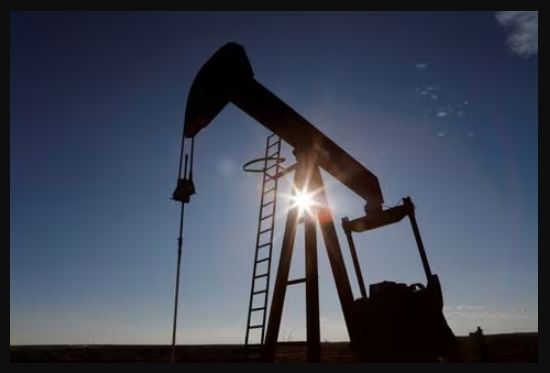
New Delhi – The United States has told India that it can soon resume purchases of Venezuelan crude oil to help replace a decreasing volume of Russian crude imports, a potential shift in energy sourcing that reflects evolving global trade dynamics and long-term strategic discussions.
This outreach comes amid a broader effort by New Delhi to diversify its crude supply sources while Indian refiners reduce their reliance on discounted Russian oil as part of ongoing adjustments in global energy markets.
According to sources familiar with the matter, Washington has indicated that India can resume purchases of Venezuelan crude that had previously been restricted under U.S. tariff policy, which imposed a 25 percent levy on countries for buying Venezuelan oil in 2025.
The suggestion to lift or ease those restrictions is intended to give India additional options to balance its crude import mix as Russian oil volumes shrink in the coming months.
India’s imports of Russian crude, which stood at about 1.2 million barrels per day in January, are expected to fall to around 1 million bpd in February and approximately 800,000 bpd in March, with further reductions possible later in the year.
Some sources project that Russian imports could eventually decline to between 500,000 and 600,000 bpd as India continues diversifying its portfolio of crude suppliers.
This shift reflects broader changes in global crude flows that have been influenced by Western sanctions on Russia following its invasion of Ukraine in 2022, which drove down Russian oil prices and made that oil commercially attractive to buyers like India.
After becoming a major buyer of Russian crude following the conflict, India is now adjusting its purchasing patterns as geopolitical pressures and trade relationships evolve.
In response to the U.S. tariff regime, Indian refiners had already begun diversifying their purchases.
They increased imports from Middle Eastern, African, and other South American sources to help reduce dependence on Russian oil supplies.
The Venezuela offer comes at a time when Venezuela’s oil sector has been undergoing changes, including reforms aimed at attracting investment and expanding production following shifts in domestic policy.
However, it is not yet clear whether Venezuelan oil would be marketed through global trading firms or sold directly by state entities.
India’s own energy strategy emphasizes diversification to ensure long-term security of supply and to manage price volatility, especially as refining capacity and domestic demand evolve.
By securing flexible access to multiple crude sources, India aims to balance economic interests with its growing energy requirements.
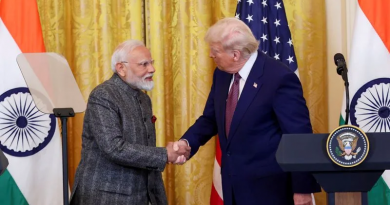
At the same time, discussions between U.S. and Indian officials continue against the backdrop of broader trade and economic relationships, including efforts to reduce trade barriers and strengthen economic ties.
If policy changes are formalized, Venezuelan crude could become an increasingly important element of India’s energy import mix as Russian volumes decline.