Japan PM Takaichi to call Feb 8 snap election on spending, tax cuts and defence
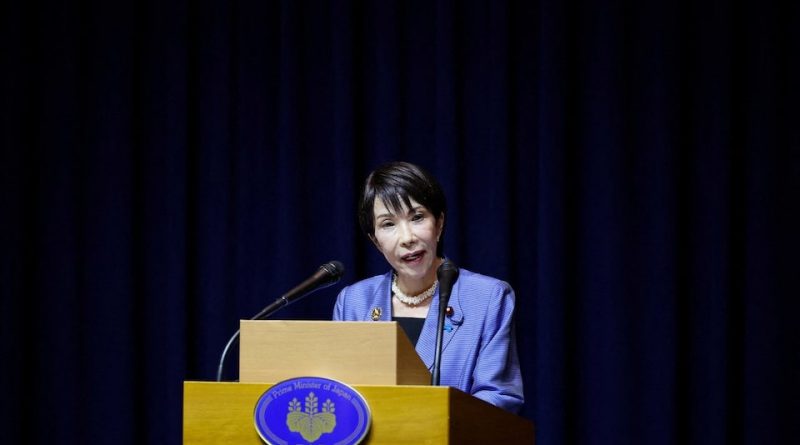
Tokyo – Japan’s Prime Minister Sanae Takaichi announced plans to call a snap national election on February 8, seeking a direct mandate from voters for higher government spending, targeted tax cuts and a major shift in the country’s defence and security posture. The move will dissolve parliament later this week and trigger a full contest for all 465 seats in the powerful lower house.
The election will be Takaichi’s first major electoral test since she became Japan’s first female prime minister in October. By going to the polls early, she aims to capitalise on strong approval ratings and consolidate her leadership within the ruling Liberal Democratic Party while reinforcing her coalition’s fragile majority.
Speaking at a press conference in Tokyo, Takaichi framed the vote as a referendum on her leadership and policy agenda. She said she was placing her own political future on the line and wanted voters to decide whether they trusted her to manage the nation during a period of economic strain and rising regional security risks.
A central pillar of her campaign will be economic relief for households struggling with the rising cost of living. Takaichi pledged to suspend the 8 percent consumption tax on food for two years, arguing that the measure would boost household spending, support job creation and eventually increase overall tax revenues through stronger economic activity.
The proposed tax cut has significant fiscal implications. Government estimates suggest it would reduce annual revenue by around five trillion yen, a prospect that has already unsettled financial markets. Following the announcement, yields on Japan’s 10-year government bonds briefly rose to their highest level in nearly three decades, reflecting investor concerns about public finances.
Calling an early election also allows Takaichi to move before economic pressures further erode public confidence. Opinion polls show that inflation and rising prices remain the dominant concern for voters, with nearly half of respondents in a recent national survey citing the cost of living as their top worry.
Beyond economic issues, defence and national security are expected to play a major role in the campaign. Takaichi’s administration plans to unveil a new national security strategy this year, building on a decision to raise defence spending to 2 percent of gross domestic product. This represents a historic departure from decades of policy that capped military outlays at around 1 percent.
While no higher spending target has been announced, officials acknowledge that growing tensions with China could drive defence budgets even further. Takaichi has pointed to Chinese military exercises around Taiwan, disputes in the East China Sea and the increasing use of economic pressure through supply chains as signs of a deteriorating security environment.
Recent developments have added urgency to those concerns. China last week imposed restrictions on exports of certain dual-use items destined for Japan’s military, including critical minerals. The move has intensified debate in Tokyo over economic security and the need to strengthen domestic supply chains.
The ruling LDP and its coalition partner Ishin enter the February 8 election with a combined 233 seats, only slightly above the threshold needed for a majority. Takaichi has said her immediate goal is to retain control of the lower house, warning that political instability could undermine both economic recovery and security planning.
Her main challenge will come from a newly formed Centrist Reform Alliance, which brings together the largest opposition parties following the collapse of a long-standing coalition with the LDP. Together, the opposition holds 172 seats and is expected to campaign on stronger social spending and more aggressive tax relief.
Opposition leaders have signalled they may propose permanently abolishing the food sales tax, a move that could resonate with voters but raise further questions about fiscal sustainability. Analysts say the united opposition presents a tougher test than the ruling party has faced in years.
Political observers note that Takaichi’s popularity gives her a strategic advantage, but warn that the outcome is far from guaranteed. With voters focused on inflation, taxes and security, the snap election is shaping up to be a defining moment for Japan’s political and economic direction.