
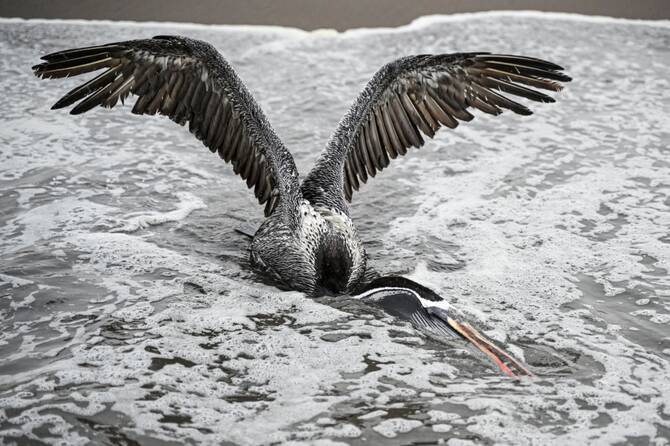
New Zealand Confirms First H5N1 Case in Wild Seabird
WELLINGTON- New Zealand confirmed its first case of highly pathogenic H5N1 avian influenza on Wednesday after a migratory brown skua found on a beach near Wellington tested positive, marking the virus’s arrival in the country after years of global spread among wild birds and mammals.
Biosecurity Minister Andrew Hoggard said the infected bird was discovered near the capital and stressed that authorities had found no evidence of wider transmission among New Zealand’s wildlife or poultry.
The detection follows the emergence of the virus in Australia last month, making New Zealand the latest country in the region to report the highly pathogenic strain. Since 2021, H5N1 has spread across wild bird and mammal populations worldwide, killing millions of animals and infecting commercial poultry flocks, dairy farms and some farmworkers.
“There is no evidence of any mass mortality in wildlife or transmission between wild birds in New Zealand. There has been no detection in poultry,” Hoggard said in a statement.
New Zealand has spent recent years preparing for the virus’s arrival by working with the poultry industry to strengthen biosecurity measures and develop contingency plans aimed at limiting the impact of a potential outbreak.
Hoggard said authorities expect New Zealand could experience a pattern similar to neighboring Australia, where officials had recorded 14 confirmed or presumed positive H5 bird flu detections as of Wednesday.
To help protect vulnerable wildlife, health authorities have launched a vaccination program targeting 300 breeding birds from five of New Zealand’s most endangered species, according to the minister.
The latest detection comes after H5 avian influenza was confirmed on Heard Island, Australia’s remote sub-Antarctic territory, in late 2025, underscoring the virus’s continued spread across the Southern Hemisphere.
Although the virus has now been identified in a wild migratory bird, officials said there is currently no indication of sustained transmission within New Zealand or infections in domestic poultry, while surveillance and biosecurity efforts remain in place to monitor the situation.