
Khanna Accuses Israeli Military of Misrepresenting West Bank Detention
LONDON-U.S. Representative Ro Khanna has accused the Israeli military of providing a false account of an incident in the occupied West Bank in which his delegation was stopped by armed Israeli settlers and later detained by soldiers, escalating a public dispute between the California Democrat and Israeli officials.
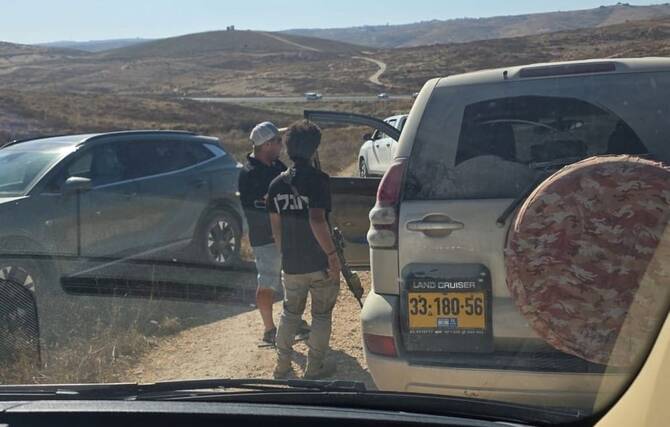
Khanna made the remarks during an interview with NBC News on Sunday, days after his convoy was blocked while traveling through the South Hebron Hills near the Palestinian village of Zanuta. Video footage shared by the congressman on social media showed armed settlers and Israeli soldiers obstructing the route taken by his delegation.
The Israeli military had previously stated that it responded quickly to the incident by dispersing the settlers and reopening the road. Khanna rejected that account, saying the military’s version of events was untrue.
“The IDF is lying,” Khanna said in the interview. He alleged that armed settlers carrying M4 rifles surrounded the delegation’s vehicles, kicked the tires of the van, mocked those inside and recorded the confrontation. According to Khanna, the group remained detained for about 20 minutes before Israeli soldiers arrived.
Khanna said the situation did not improve after the soldiers reached the scene. He alleged that four Israeli soldiers told the delegation’s translator they supported the settlers before continuing to block the convoy, leaving those inside fearful for their safety.
The exchange followed an appearance by Israeli Prime Minister Benjamin Netanyahu on the same television network, where he dismissed those involved in blocking Khanna’s convoy as “juvenile delinquents” and said they did not represent Israel’s law-abiding settler community.
Responding to Netanyahu’s remarks, Khanna urged the Israeli government to investigate what he described as violent settlers operating in the area. He specifically referred to Israeli settler Yinon Levi, whom he accused of involvement in attacks against Palestinians and of contributing to the displacement of residents from Zanuta.
Khanna also referred to the killing of Palestinian activist Awdah Hathaleen, who worked on the Oscar-winning documentary No Other Land, which documented violence by Israeli settlers in the occupied West Bank. Levi was previously recorded in video footage appearing to fire a weapon during the confrontation in which Hathaleen was killed. According to the material provided, Levi was not prosecuted despite the existence of video footage and other evidence.
The incident has intensified political tensions between Khanna and Israeli officials. Officials quoted by the New York Post accused the congressman of seeking publicity during his visit and said he declined an Israeli proposal to meet former Israeli hostages who had been held in Gaza following the Oct. 7 Hamas attack.
Israeli Ambassador to the United States Michael Leiter echoed those criticisms during an interview with CBS News, saying Khanna had declined Israeli government assistance in coordinating his visit to the occupied West Bank. Leiter suggested the trip was intended to generate political attention and alleged that the congressman was using the visit to position himself for a potential 2028 presidential campaign.
Khanna has not publicly linked his visit to any presidential ambitions. Instead, he has maintained that his account reflects what occurred during the confrontation and has challenged the Israeli military’s version of events.
Nadav Weiman, executive director of the Israeli nongovernmental organization Breaking the Silence, who accompanied Khanna during the visit, also disputed the Israeli military’s account. Weiman said armed settlers reached the convoy before Israeli soldiers arrived and alleged that the delegation remained detained for more than an hour.
According to Weiman, when he asked soldiers to remove the settlers blocking the road, they failed to intervene. He said the settlers appeared to direct events on the ground rather than the soldiers, adding that the military’s public account of the incident was inaccurate.