EU Approves Trade Pact Implementation After Trump Tariff Warning
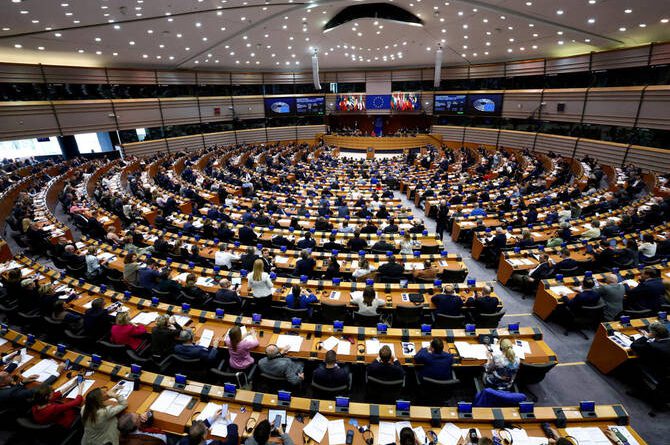
Strasbourg-European Union lawmakers and member states reached an agreement early Wednesday to implement the bloc’s trade pact with the United States, moving to avert fresh tariff escalation after US President Donald Trump warned of higher duties unless the deal was finalized by July 4.
Negotiators from the European Parliament and EU member states concluded overnight talks on measures needed to enforce the agreement reached last year between Washington and Brussels.
The trade accord, negotiated in July 2025 between Trump and European Commission President Ursula von der Leyen in Turnberry, Scotland, set tariffs on most European exports to the United States at 15 percent while requiring the EU to eliminate duties on many US imports.
Implementation had stalled for months amid political disagreements inside the bloc and concerns over Trump’s broader trade policies.Von der Leyen welcomed Wednesday’s breakthrough, saying the agreement would allow the EU to fulfill its obligations under the transatlantic trade framework.
“Together, we can ensure stable, predictable, balanced, and mutually beneficial transatlantic trade,” she said in a statement posted on social media.Trump had warned the EU it faced significantly higher tariffs if the agreement was not ratified by early July and had previously threatened to raise duties on European automobiles and trucks from 15 percent to 25 percent.
The dispute had intensified pressure on Brussels to secure stability in trade relations with Washington, its largest economic partner, with annual transatlantic trade valued at roughly 1.6 trillion euros ($1.9 trillion).
The final agreement includes safeguards allowing the European Commission to suspend favorable tariff arrangements if the United States violates the deal or targets EU businesses through discriminatory trade actions.
EU negotiators also secured provisions enabling Brussels to respond if surges in US imports threaten domestic European industries.However, lawmakers softened several earlier demands opposed by Washington, including provisions that would have required the United States to immediately remove tariffs above 15 percent on steel components before EU measures took effect.
The finalized text also removed a proposed “sunrise clause” that would have delayed implementation until Washington fully complied with all commitments.A separate “sunset clause” was extended until the end of 2029, postponing the need for renegotiation or renewal of the arrangement.
Bernd Lange, who led negotiations within parliament, said lawmakers had succeeded in securing safeguards protecting European interests.But Anna Cavazzini criticized the compromise, saying the agreement still placed the EU at a disadvantage despite helping stabilize trade tensions.
The accord comes after more than a year of transatlantic trade disputes triggered by Trump’s tariff policies on steel, aluminum, vehicles and industrial goods.