Iran Supreme Leader Vows to Defend Nuclear and Missile Programs Amid U.S. Pressure
Dubai– Iran’s Supreme Leader Mojtaba Khamenei said on Thursday that the Islamic Republic would protect its nuclear and missile capabilities as national assets, rejecting growing U.S. pressure for restrictions on Tehran’s strategic programs as tensions over the Strait of Hormuz continue to escalate.
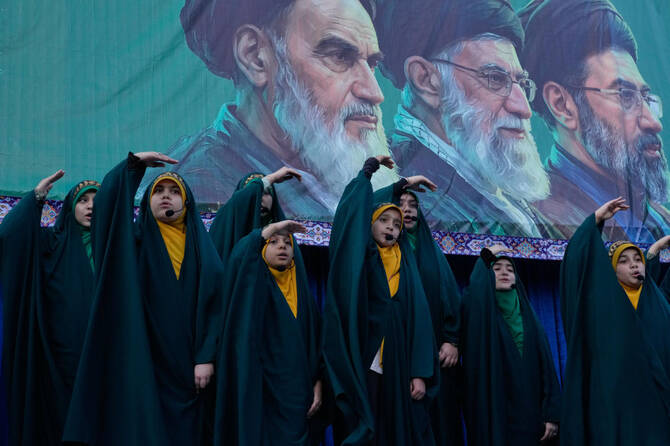
In a written message read on Iranian state television, Khamenei said Iran’s scientific and military capabilities, including its nuclear and missile programs, formed part of the country’s sovereign identity and would be defended like its territorial integrity.
“Ninety million proud and honorable Iranians inside and outside the country regard all of Iran’s identity-based, spiritual, human, scientific, industrial and technological capacities from nanotechnology and biotechnology to nuclear and missile capabilities as national assets,” he said.
He added that Iranians would protect those capabilities “just as they protect the country’s waters, land and airspace.”Khamenei has led Iran since Feb. 28, following an airstrike that killed his father, former Supreme Leader Ali Khamenei, during the early phase of the U.S.-Israel conflict with Iran.
In his statement, he also sharply criticized the U.S. military presence in the Gulf region, saying the only place Americans belonged in the Arabian Gulf was “at the bottom of its waters.”“By God’s help and power, the bright future of the Arabian Gulf region will be a future without America,” he said, adding that regional prosperity should be determined by neighboring states rather than outside powers.
His comments came as the Strait of Hormuz remains effectively under Iranian control following weeks of confrontation, severely disrupting global energy shipments through the strategic waterway that previously handled about one-fifth of world oil supply.
The remarks followed reports that Washington is advancing plans for an international naval coalition to reopen the strait and secure maritime transit after the conflict.According to a U.S. State Department cable seen by Reuters, Washington has invited partner countries to join a proposed coalition called the Maritime Freedom Construct (MFC), aimed at restoring shipping access and building what it described as a post-conflict maritime security framework for the Middle East.
“The MFC constitutes a critical first step in the establishment of a post-conflict maritime security architecture for the Middle East,” the cable said.France, Britain and other allied governments have discussed contributing to such an initiative but indicated they would only participate in efforts to reopen the Strait of Hormuz after active hostilities end.
Oil prices have remained volatile amid fears of prolonged disruption to Gulf shipping routes, with energy markets closely watching whether diplomatic efforts can reduce tensions between Washington and Tehran.