DEM Party Accuses Ankara of Stalling Fragile PKK Peace Process
Ankara– Turkey’s pro-Kurdish DEM Party on Tuesday sharply criticized President Tayyip Erdogan’s government for what it described as hesitant and slow progress in advancing a fragile peace process with the outlawed Kurdistan Workers Party (PKK), warning that delays could undermine efforts to end a four-decade conflict.
The People’s Equality and Democracy Party, known as DEM, played a key role in facilitating renewed dialogue between the Turkish state and the PKK after jailed militant leader Abdullah Ocalan called in February 2025 for the group to lay down arms and pursue a political settlement.
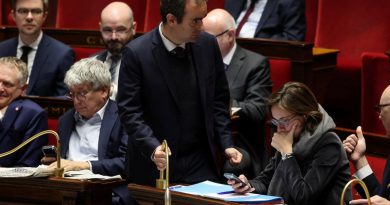
Speaking to party lawmakers in parliament, DEM co-chair Tulay Hatimogullari said the government had failed to build on the momentum created by Ocalan’s appeal and was slowing progress toward a lasting resolution.
“While such a bright outlook lies ahead of us, and we should be moving at full speed toward the goal of peace, the government is acting in a hesitant, timid and stalling manner,” Hatimogullari said.
The PKK, designated a terrorist organization by Turkey, the United States and the European Union, halted attacks and announced in May 2025 that it had decided to disband and end its armed insurgency, which has killed more than 40,000 people since it began in 1984.
Ankara, however, has insisted that the group must take further concrete steps and that any disarmament must be independently verified before broader political or legal reforms can proceed.Government officials and Kurdish representatives have repeatedly traded blame over the pace of implementation, with tensions rising more than a year after expectations of a breakthrough first emerged.
In February, a Turkish parliamentary commission overwhelmingly approved a report outlining a roadmap for legal reforms to accompany the PKK’s disbandment, moving the peace process further into the legislative arena.
The conflict has destabilized Turkey’s predominantly Kurdish southeast for decades and has also spilled across borders into northern Iraq and Syria, where Kurdish militant networks remain active.Hatimogullari said prolonged hesitation risked weakening trust and damaging the broader political opening created by recent developments.
President Recep Tayyip Erdogan’s government has not publicly responded to her latest remarks.