Israel orders immediate evacuation in parts of south Lebanon.
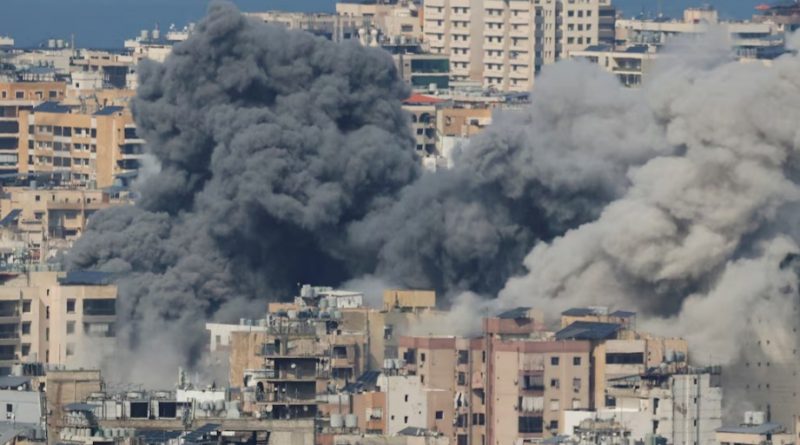
BEIRUT/JERUSALEM, March 5 — Israel’s military on Thursday ordered residents in parts of southern Lebanon to leave the area “immediately,” warning it planned to carry out strikes against positions it says are used by the Iran-backed militant group Hezbollah along the border with Israel.The evacuation warning, issued by the Israeli military in Arabic-language statements, urged civilians living in specific areas close to the frontier to move north of the designated zone for their safety. The military said the directive was intended to reduce risks to civilians ahead of potential operations targeting Hezbollah infrastructure.Evacuation warning issuedThe Israeli military said the warning applied to several communities in southern Lebanon where it believes Hezbollah fighters and military equipment are located. Residents were instructed to leave the affected areas without delay and avoid returning until further notice.Military officials said Hezbollah’s presence in civilian areas increases the risk to local populations during periods of hostilities. The statement added that Israeli forces would act against what it described as “military targets” belonging to the group.Hezbollah, a powerful political and armed movement in Lebanon backed by Iran, maintains a strong presence in southern parts of the country near the Israeli border. The group has previously denied placing military infrastructure among civilian communities and has accused Israel of targeting populated areas during conflicts.Lebanese authorities did not immediately release an official estimate of how many residents might be affected by the Israeli warning. Local media reported that some families in border villages had begun moving north following the announcement.Rising tensions along the borderThe evacuation directive comes amid rising tensions between Israel and Hezbollah along the Lebanon-Israel frontier. The border has witnessed periodic exchanges of fire in recent years, raising concerns among international observers about the risk of a broader regional confrontation.The United Nations Interim Force in Lebanon (UNIFIL), which monitors the area between the two countries, has repeatedly called on all sides to exercise restraint and avoid actions that could escalate the situation. The mission operates in southern Lebanon under a mandate from the United Nations Security Council aimed at maintaining stability along the so-called Blue Line, the boundary separating Lebanon and Israel.Israeli officials have long accused Hezbollah of building military infrastructure in southern Lebanon in violation of United Nations resolutions that call for armed groups to remain north of the Litani River. Hezbollah has rejected those allegations and says its activities are defensive in nature.The Israeli military has carried out strikes in Lebanon in the past, targeting what it describes as weapons transfers or military sites linked to Hezbollah. Such operations have occasionally prompted retaliatory fire from the group, contributing to cycles of escalation along the border.Civilian concerns in southern LebanonResidents of southern Lebanon have experienced repeated displacement during periods of conflict between Israel and Hezbollah, most notably during the 2006 war that lasted more than a month and caused widespread destruction in parts of the region.Local officials and humanitarian organizations have warned that renewed fighting could place civilians at risk, particularly in villages located close to the border where military positions and residential areas are often located in close proximity.The Lebanese government has previously called for international pressure to prevent escalation along the frontier and to ensure the protection of civilians living in border communities.Israel has said that warnings to civilians are intended to limit casualties during military operations. In past conflicts, the Israeli military has issued evacuation notices through leaflets, text messages, and social media in Arabic to alert residents before strikes.Regional implicationsSecurity analysts say tensions along the Israel-Lebanon border are closely linked to broader regional dynamics involving Iran and allied groups across the Middle East. Hezbollah is widely regarded as one of Iran’s most powerful regional partners and maintains a large arsenal of rockets and missiles.Israeli leaders have repeatedly warned that they will act to prevent Hezbollah from strengthening its military capabilities near the border. The group, for its part, has said it is prepared to respond to any Israeli attack.International diplomats have warned that sustained hostilities between Israel and Hezbollah could destabilize Lebanon further at a time when the country is already facing severe economic and political challenges.The United Nations and several governments have urged both sides to avoid steps that could lead to a wider conflict and to adhere to existing ceasefire arrangements along the border.